Champions League 2026/27: Who Are the Favourites?
The 2026/27 Champions League draw reveals Paris Saint-Germain as favorites to win, with Arsenal, Bayern, Barcelona, and Madrid also strong contenders in this season's competition.


The draw has been made in Nyon and the shape of the 2026/27 Champions League is finally clear. Thirty-six clubs, eight opponents each, four at home and four away, and a single table that will not settle until the end of January. The competition enters its third season under the league phase format, and after two years of it nobody can pretend any longer that the opening months are a formality.
Matchday 1 runs from 8 to 10 September, with the final scheduled for the Riyadh Air Metropolitano in Madrid. Before a ball is kicked, here is how the field looks. UEFA's confirmed pots put Paris, Bayern, Real Madrid, Liverpool, Inter, Manchester City, Arsenal and Barcelona in the top seeding band, which tells you most of what you need to know about where the trophy is likely to end up.
PSG and the Three-Peat Question
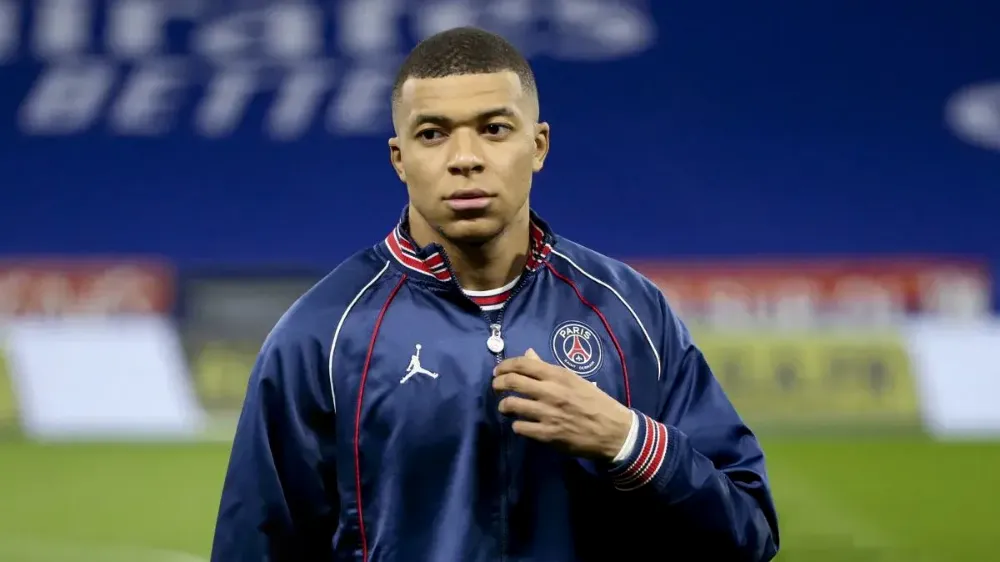
Paris Saint-Germain start as favourites at around 5/1, and it is hard to argue. Luis Enrique's side thrashed Inter 5-0 in the 2025 final and then retained the trophy in Budapest on 30 May, drawing 1-1 with Arsenal before winning 4-3 on penalties. Kai Havertz put Arsenal ahead inside six minutes, Ousmane Dembélé equalised from the spot after an hour, and Gabriel Magalhães sent the decisive kick over the bar.
That made Paris the first French club ever to win the European Cup in consecutive seasons, and only the second side in the Champions League era to retain it after Real Madrid's run between 2016 and 2018. Luis Enrique now has three of these as a manager.
The caution is historical rather than tactical. Nobody has won three in a row since that Madrid team, and the attacking core of Dembélé, Khvicha Kvaratskhelia, Vitinha and João Neves has now been studied by every serious rival in Europe for two full seasons.
Arsenal's Unfinished Business
If there is a club with more motivation than the holders, it is the one that lost to them. Arsenal won the Premier League last season and came within a penalty shootout of the double, and they arrive at around 6/1 as one of the two clear second favourites.
The numbers behind that run were remarkable. Arsenal conceded six goals in fourteen matches on the way to the final, a defensive record built around William Saliba and Gabriel in front of David Raya. Add Declan Rice and Martin Ødegaard in midfield, Bukayo Saka wide and Viktor Gyökeres through the middle, and this is a squad with no obvious weakness.
What they do not have is the trophy. Arsenal have now played more matches in European Cup and Champions League history than any club never to have won it. Mikel Arteta's side are running out of excuses rather than out of quality.
Bayern, Barcelona and a Rebuilt Manchester City
Bayern Munich sit alongside Arsenal at roughly 6/1. Vincent Kompany's team reached the semi-finals last season before losing to Paris, and the German champions remain the most reliable route to the latter stages that this competition has.
Barcelona are around 7/1 and arrive as La Liga champions after clinching the title with a 2-0 Clásico win over Real Madrid. Hansi Flick has rebuilt the club around a genuinely young spine, with Lamine Yamal and Pau Cubarsí already established internationals. Barcelona have not won this competition since 2015, and the sense that they are edging back towards it grows every season.
Manchester City are the hardest team on the board to price. Pep Guardiola left after ten years and twenty trophies, and Enzo Maresca has taken over on a three-year deal having previously served as Guardiola's assistant during the 2023 treble. He inherits Erling Haaland and a squad that finished second domestically. Whether a decade of one man's methods can be handed over without disruption is the most interesting question of the European season.
Mourinho's Madrid and the Rest of the Field
Real Madrid are around 8/1, which for the fifteen-time winners says plenty about the last two seasons. Xabi Alonso was dismissed in January, Álvaro Arbeloa took temporary charge, and the club finished trophyless after a quarter-final exit. José Mourinho returned in June on a three-year deal running to 2029, thirteen years after his first spell ended. Writing off Madrid in this competition has rarely been a profitable habit.
Liverpool are in for a ninth time in ten seasons, having qualified in fifth thanks to the Premier League's extra European Performance Spot. Andoni Iraola replaced Arne Slot over the summer and takes his first steps in the competition as a head coach.
Beyond the obvious names, Inter, Atlético Madrid and Borussia Dortmund all carry pedigree, Manchester United are back after a two-year absence, and Europa League winners Aston Villa return to the top table. Como are the only debutants in the league phase, while Bodø/Glimt have made a habit of embarrassing better-resourced opponents.
What the League Phase Actually Decides
It is worth remembering how little margin the format allows. The top eight in the single table go straight through to the round of 16. Teams finishing ninth to twenty-fourth drop into a knockout play-off round in February, and everyone from twenty-fifth down is eliminated altogether.
Across only eight matches, one heavy defeat can be the difference between a seeded route and an extra two-legged tie against a dangerous opponent. In each of the first two seasons of this format, clubs expected to cruise through found themselves scrambling on the final matchday.
The single table has also changed how supporters follow the competition. Rather than tracking one group of four, fans now watch all 36 clubs ranked against each other, comparing projected finishes and checking how the outright markets shift week to week. That instinct to verify things rather than take them on trust runs through plenty of online football culture — supporters comparing a usdt casino provably fair games list are applying the same logic, looking for outcomes they can check for themselves instead of simply believing what they are told.
To Conclude
Paris deserve favouritism and history is against them, which is roughly where a two-time defending champion should sit. Arsenal have the squad and the grievance. Bayern have the consistency, Barcelona have the trajectory, and Madrid have Mourinho and fifteen European Cups behind them.
City are the genuine unknown, and in a format this unforgiving, an unknown is not a comfortable thing to be in September. The first real answers arrive on Matchday 1.