Gear Guide: Must-Have Equipment for Shooting Live Sports
Level up your sports photography with this gear guide—fast cameras, telephoto lenses, and expert tips to capture every action-packed moment.

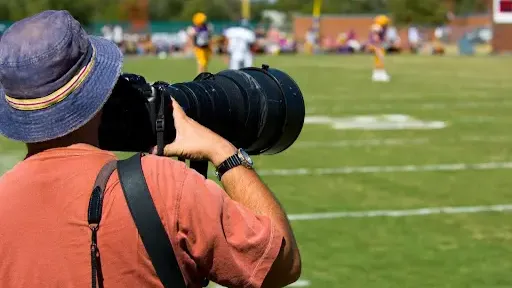
Capturing live sports action demands precision, speed, and reliability from your photography gear. Whether you’re shooting high school football games or professional track events, the right equipment can make the difference between capturing an iconic shot and missing the critical moment. This comprehensive gear guide covers the essential equipment you’ll need for shooting dynamic, vibrant sports photos ideal for personal portfolios, editorial assignments, and highly marketable stock photos.
1. Camera Body: Speed and Performance
Choosing the right camera body is critical for sports photography. Look for these essential features:
- Fast Burst Rate: Aim for a camera with a minimum burst rate of 8-10 frames per second (fps). Higher-end professional bodies offer speeds up to 20 fps, ensuring you never miss the peak moment.
- High ISO Performance: Exceptional low-light performance allows you to use faster shutter speeds even under challenging lighting conditions without excessive noise.
- Robust Autofocus System: Advanced autofocus systems with tracking capabilities (Continuous AF, or AF-C) are essential for maintaining sharp focus on rapidly moving subjects.
Popular options include professional DSLRs and mirrorless systems known for rapid autofocus, durability, and excellent high ISO performance.
2. Telephoto Lenses: Get Close to the Action
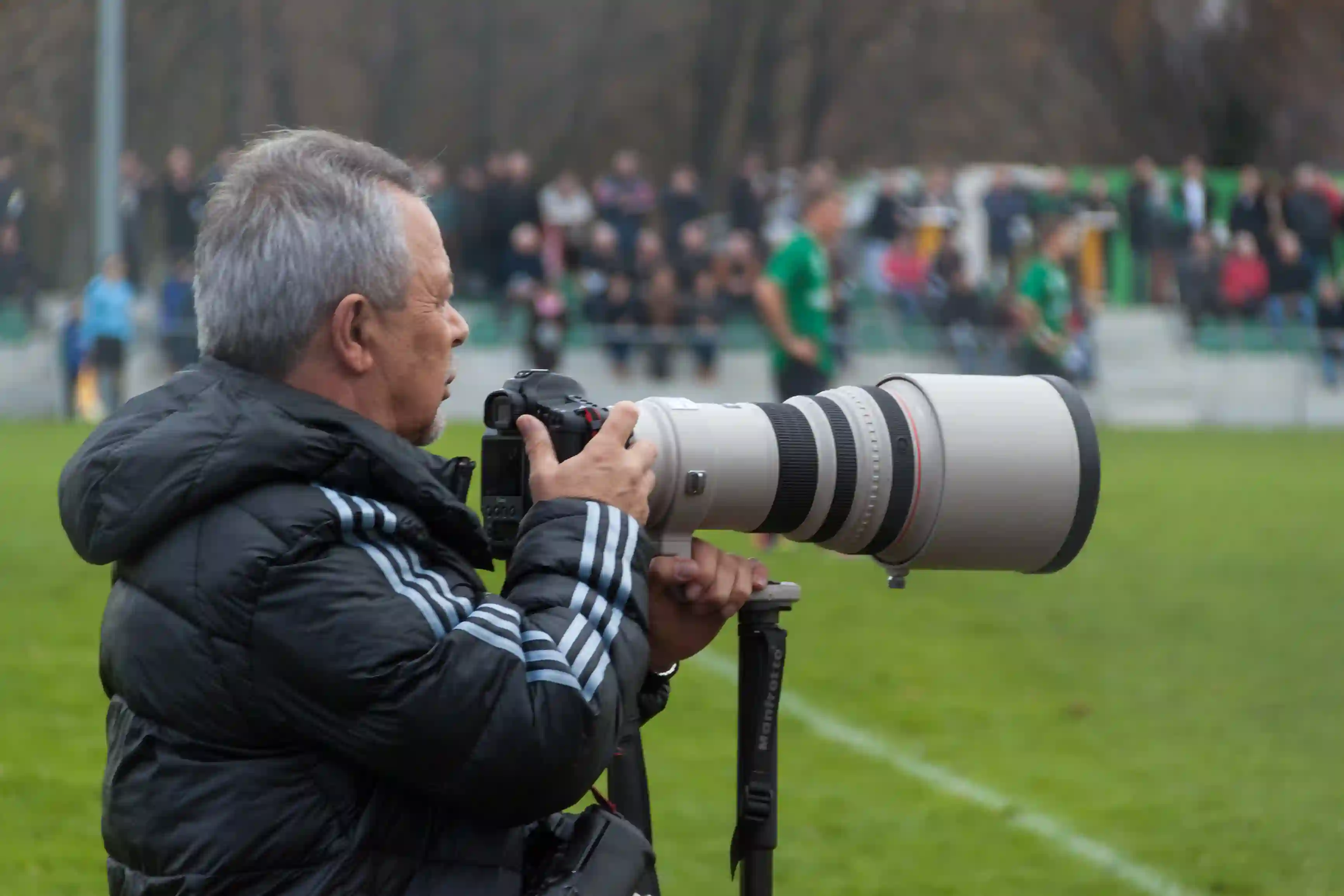
Telephoto lenses are staples of sports photography. They allow you to shoot from a distance while capturing sharp, detailed close-ups.
- 70-200mm f/2.8: Versatile and ideal for indoor and outdoor sports, offering excellent reach and light-gathering capabilities.
- 300mm f/2.8 or 400mm f/2.8: Perfect for larger venues, capturing clear, detailed shots even from sidelines or distant vantage points.
- Teleconverters: Consider adding teleconverters to extend lens reach without significant quality loss, particularly useful for field sports or motorsports.
Investing in lenses with wide apertures (f/2.8 or lower) ensures optimal low-light performance and appealing background separation.
3. Monopod or Tripod: Stability and Mobility
A sturdy monopod is essential for stability, especially with heavy telephoto lenses. It offers these advantages:
- Reduces Camera Shake: Ensures sharp images by minimizing vibrations, even at lower shutter speeds.
- Ease of Movement: Lightweight and portable, allowing quick repositioning along sidelines.
Tripods are typically less practical for fast-paced sports but valuable for stationary positions, such as when photographing races or events from fixed points.
4. High-Speed Memory Cards: Reliable and Fast
Invest in fast, reliable memory cards designed for continuous high-speed shooting:
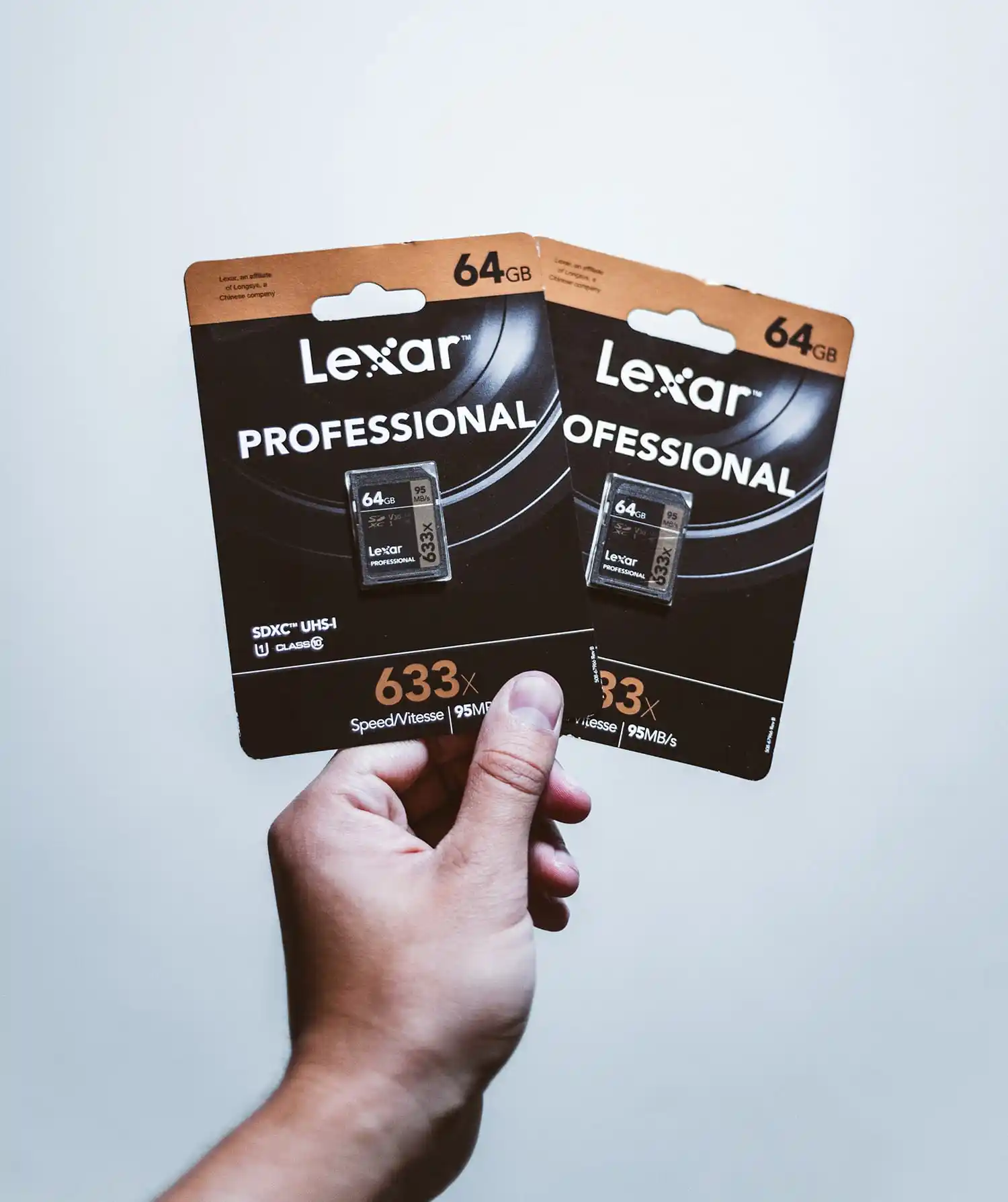
- Speed: Cards with write speeds of at least 150MB/s (or higher) ensure smooth performance, quick buffer clearing, and reliable storage during burst shooting.
- Capacity: Aim for larger capacities (64GB to 256GB or more) to accommodate extensive shooting sessions without frequent card changes.
Carrying multiple high-speed cards reduces downtime and ensures uninterrupted coverage of lengthy sporting events.
5. Backup Batteries: Power All Day
Always carry multiple fully charged batteries:
- Extended Shooting: Sports events often run long; backups ensure continuous operation.
- Cold Weather Considerations: Battery performance can drop significantly in cold conditions, so always have spares readily available.
6. Camera Straps and Harnesses: Comfort and Accessibility
Investing in comfortable, durable straps or harness systems greatly improves mobility and reduces fatigue during long shooting sessions:
- Dual Harness Systems: Useful for carrying two camera setups simultaneously, allowing instant switching between wide and telephoto lenses.
- Quick-Release Straps: Enable fast access and secure handling, critical in high-paced environments.
7. Rain and Weather Protection: Keep Gear Safe
Sports photographers must be prepared for unpredictable weather:
- Weather Covers: Protective covers designed specifically for cameras and lenses shield your gear from rain, dust, and moisture.
- Waterproof Cases and Bags: Durable, waterproof carrying solutions keep your equipment safe and accessible, even in harsh conditions.
8. Laptop and Portable Storage: Immediate Backup and Editing
Quickly backing up images and performing immediate edits are vital for editorial deadlines or real-time coverage:
- Portable Hard Drives: Durable, high-capacity drives provide immediate backups.
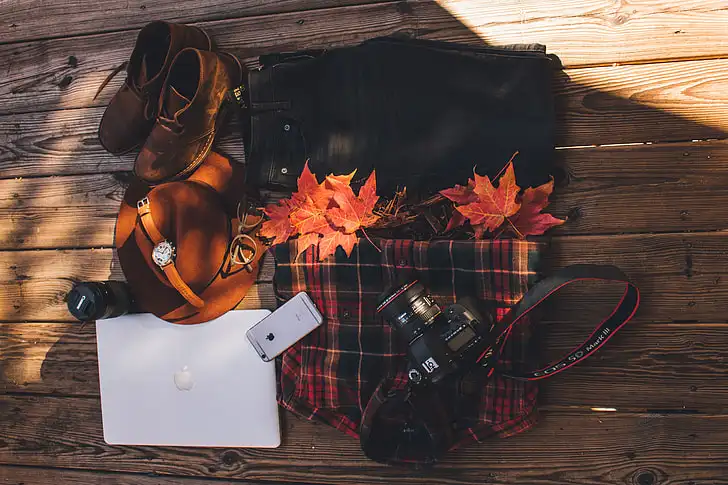
- Laptop or Tablet: A portable device loaded with editing software allows quick image selection, editing, and uploading.
9. Accessories: Essential Extras
Small accessories can significantly enhance your shooting experience:
- Lens Cleaning Kits: Ensure lenses stay clean and clear for optimal image quality.
- Remote Triggers or Cables: Useful for remotely operated cameras set up in unique angles or locations inaccessible during live events.
- Polarizing Filters: Helpful for outdoor sports to reduce glare and enhance image contrast and colors.
10. Proper Clothing and Personal Gear: Comfort is Key
Sports photographers often work in challenging physical conditions:
- Comfortable, Weather-Appropriate Clothing: Layers for changing weather conditions, waterproof jackets, comfortable footwear, and protective gear.
- Personal Hydration and Nutrition: Long events require staying hydrated and energized to maintain focus and endurance.
Stock Photography Opportunities with Sports Images
Well-executed sports photographs are always in demand in stock photography marketplaces. Businesses, advertisers, and media regularly seek high-quality, dynamic images to communicate teamwork, determination, and athletic excellence. Equipping yourself with the right gear allows you to produce professional-level sports photos that stand out and generate ongoing passive income through stock photography sales.
Final Thoughts
Equipping yourself with reliable, high-quality gear is crucial for successful sports photography. A solid camera body, sharp telephoto lenses, stabilization support, robust memory cards, and reliable protective accessories enable you to consistently capture dynamic, clear, and marketable sports imagery. With the right equipment, you'll be prepared to capture the thrilling moments that define live sports events, turning those fleeting actions into lasting, impactful images.