Spanish Supercup Begins in Jeddah! Will This Year's FINAL Be THE MOST EPIC EVER?
The 42nd Spanish Supercup kicks off in Jeddah with Barcelona, Real Madrid, Atlético, and Athletic Bilbao fighting for glory. Who will win?

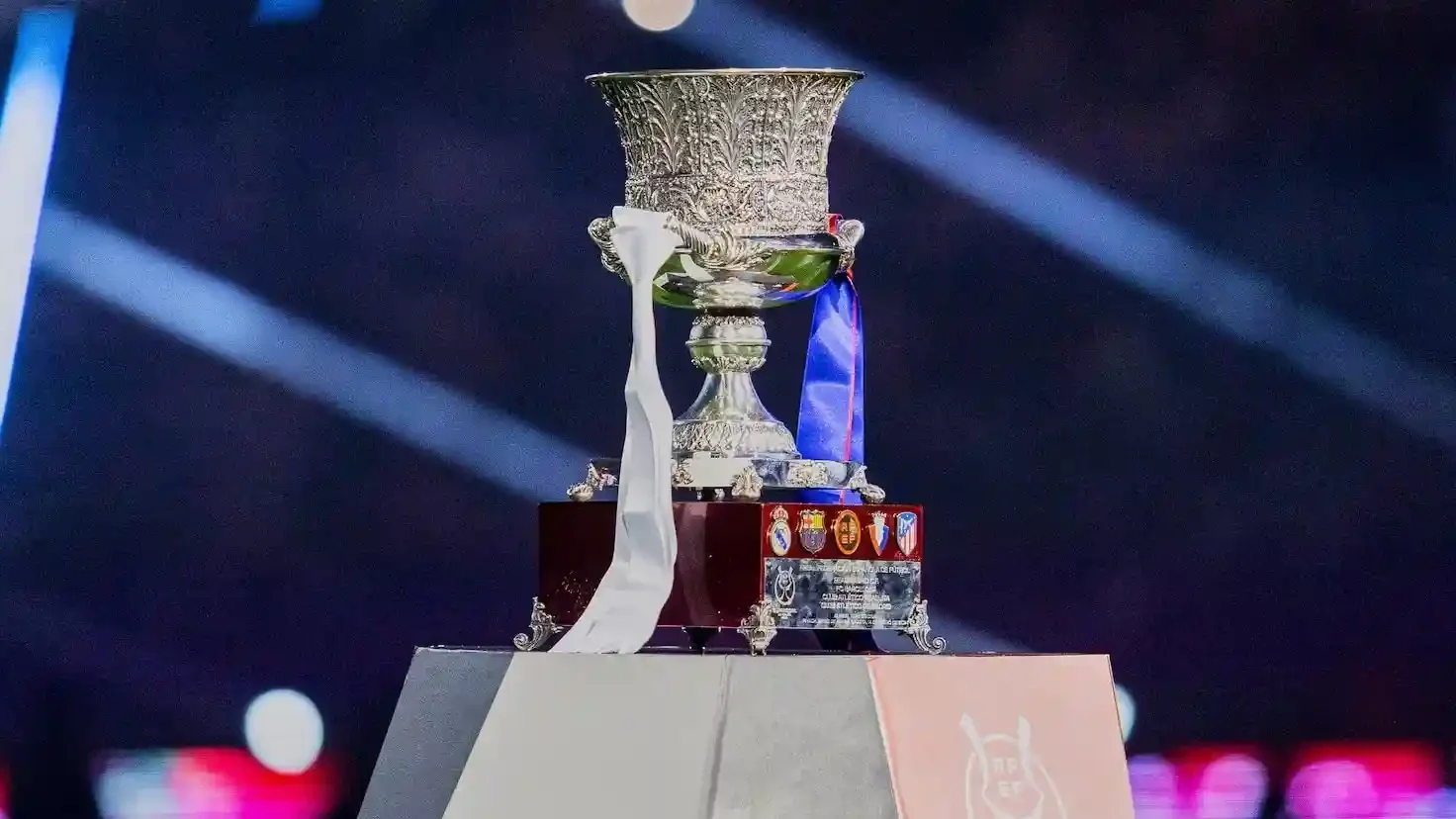
Tomorrow night in Saudi Arabia, the 42nd edition of the Spanish Supercup begins. The tournament is once again held in Jeddah, located on the Red Sea coast, with King Abdullah Sports City Stadium hosting the matches. This impressive venue holds over 60,000 seats.
Four of Spain's finest clubs—Barcelona, Real Madrid, Atlético Madrid, and Athletic Bilbao—will compete for the trophy. The action starts Wednesday evening with Barcelona facing Athletic Bilbao, followed by Madrid's El Derbi Madrileño clash between Real Madrid and Atlético the next day.
Will We See Another Barcelona vs. Real Madrid Final?
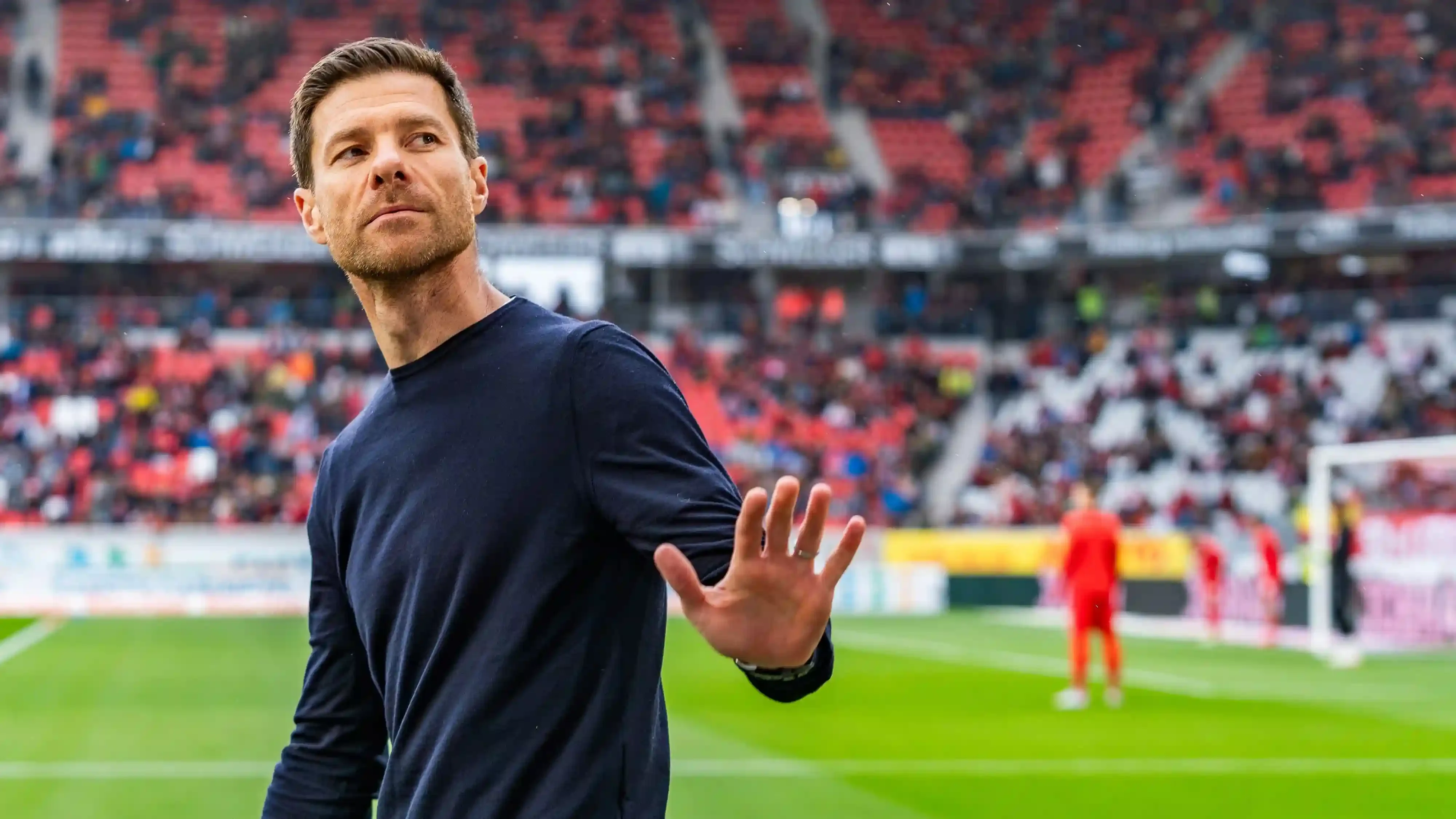
Hopes are high for yet another dazzling final between Barcelona and Real Madrid, much like last year's. Barcelona dominated "los merengues" 5-2 to claim the trophy then, but this time they have a new coach—Xabi Alonso. For the Basque manager, it's a chance to win his first trophy leading the 15-time European champions.
Barcelona must first get past the tough Athletic Bilbao, while Real Madrid needs to triumph in the city derby against Atlético. A major blow for Alonso is the absence of his star player Kylian Mbappé. The Frenchman has been phenomenal all season but won't play due to injury, though rumors suggest he might appear in the final.
Alonso, however, seems to have found a reliable alternative in homegrown talent Gonzalo García, who shone during the Club World Cup last summer. In Real’s latest La Liga match, García scored a hat-trick in a 5-0 win over Real Betis.
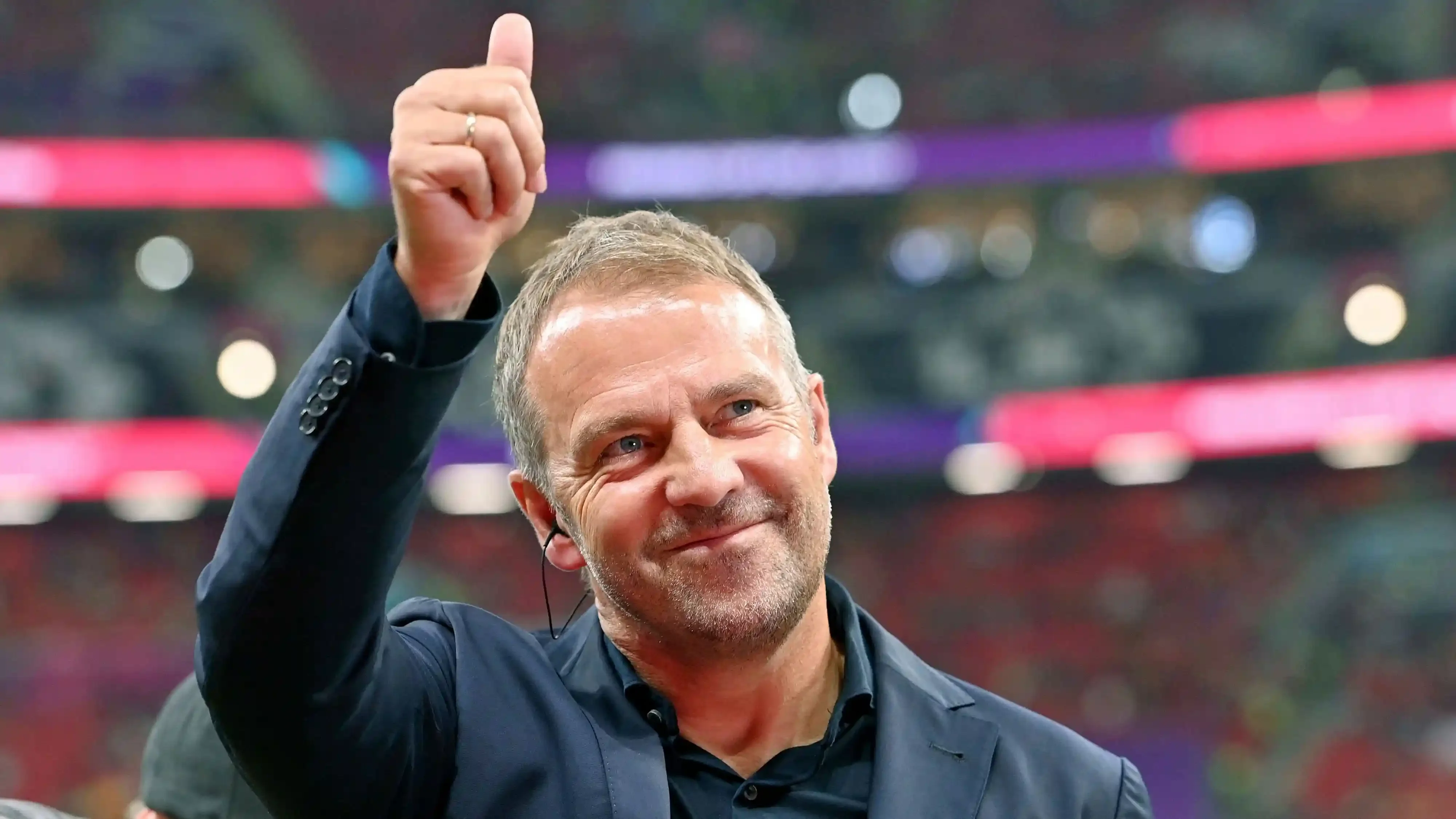
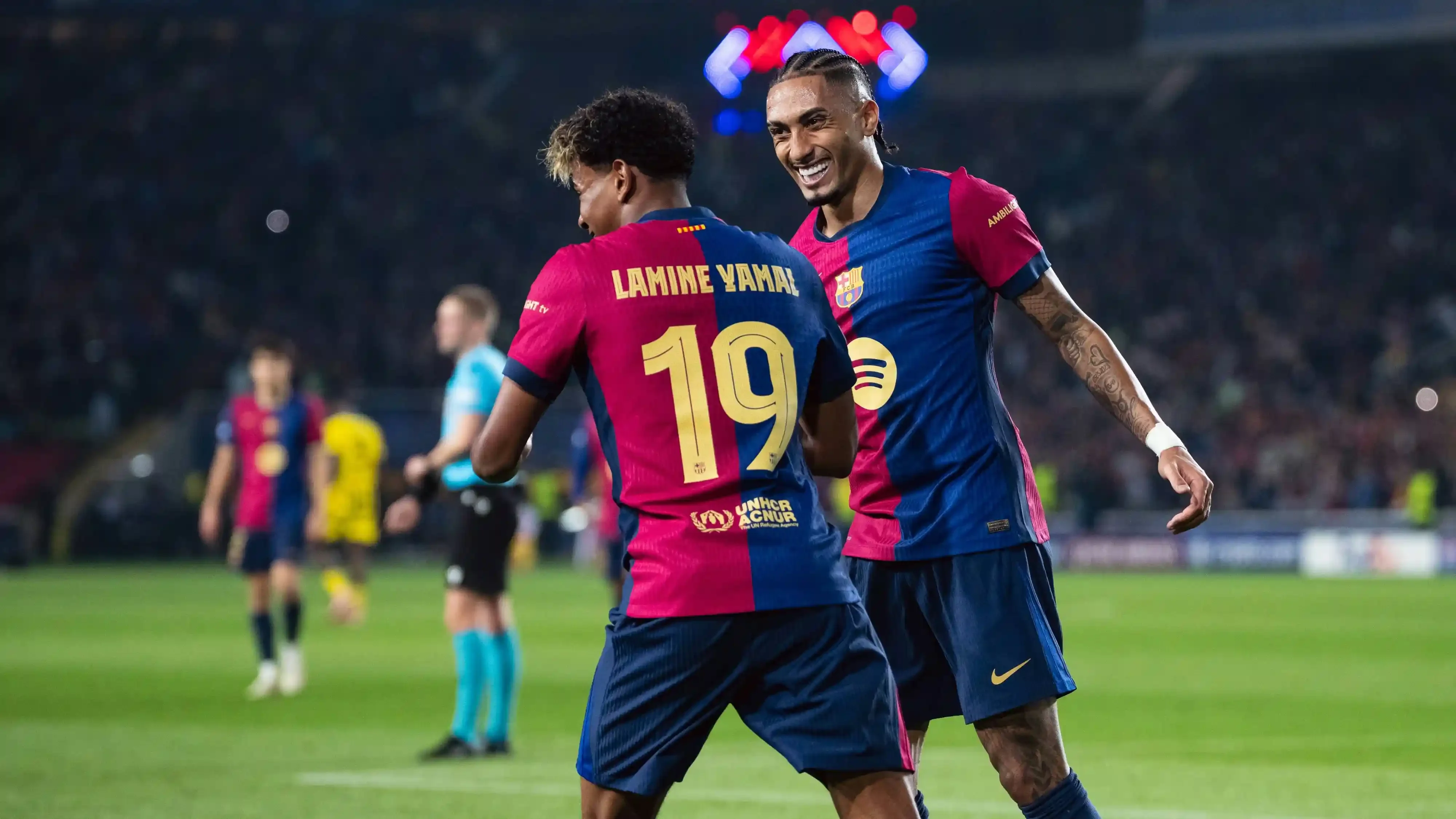
Barcelona’s usual key players aren’t a secret. Raphinha and Lamine Yamal lead the attack, while Pedri skillfully orchestrates the midfield. Coach Hansi Flick faces a tough decision on who starts up front—Robert Lewandowski or Ferran Torres.

Athletic Bilbao and Atlético Ready to Shake Things Up
Though many expect an El Clásico final, Athletic Bilbao and Atlético Madrid are fully capable of spoiling the party for the giants.
Athletic’s head coach Ernesto Valverde must rally his team to face Barcelona, as the Basques haven't been in top form recently. Much will depend on the Williams brothers, Nico and Iñaki, and the performance of national team defender Dani Vivian at the back.
Atlético always show extra motivation against Real. Star forward Julián Álvarez will need to lead his teammates to victory, while Spanish international Álex Baena could make a decisive impact in midfield.
Why Jeddah and Saudi Arabia Again?
The choice of Jeddah as host city reflects profound shifts in football’s financial and geopolitical landscape. The Spanish Football Federation’s (RFEF) decision to hold the Supercup thousands of kilometers from the Iberian Peninsula is no accident but a strategic move with several layers.
The most obvious reason is financial. The deal with Saudi Arabia, valid until 2029, brings in around 40 to 50 million euros annually for the federation. This money is vital not only for the football giants but also for smaller clubs.
Much of these funds support the lower tiers of Spanish football—regional leagues, amateur clubs, and women's competitions. As La Liga strives to catch up financially with the English Premier League, this income is key to keeping Spanish teams competitive.
For Saudi Arabia, hosting the Supercup fits into the grand "Vision 2030" plan aimed at diversifying the economy and positioning the kingdom as a global hub for tourism and sports. Alongside Formula 1, major boxing matches, and local league investments, events like the Supercup help Saudi Arabia reshape its global image and showcase openness. Jeddah, the kingdom’s second-largest city and economic center, serves as the perfect showcase for this transformation.
The 5,000-Kilometer Journey for Football
While fans await kickoff, team medical and logistics staff have been hard at work for weeks. Traveling nearly 5,000 kilometers from the Pyrenees to the Red Sea isn't just a flight—it’s a complex adaptation challenge that could decide the tournament's outcome.
Crossing multiple time zones between Madrid and Jeddah threatens players’ sleep cycles and recovery. Every detail matters in today’s football where milliseconds count.
To counter jet lag, clubs employ special light glasses on planes and follow strict meal schedules starting 48 hours before travel. The goal is to reset players’ internal clocks to Jeddah time before arrival.
Temperature differences add another hurdle. Spain currently experiences between 0 and 10 degrees Celsius, while Jeddah often exceeds 25 to 30 degrees with high sea humidity. This sudden change stresses the cardiovascular system.
Teams arrive at least three days early and train during hours close to match times. They also use special electrolyte-enriched hydration drinks to combat excessive sweating in the desert climate.