Man United’s 7 Biggest Problems Right Now
Manchester United under Ruben Amorim: a breakdown of the 7 biggest problems — game control after scoring, midfield protection, late defending, squad fit and the rebuild.

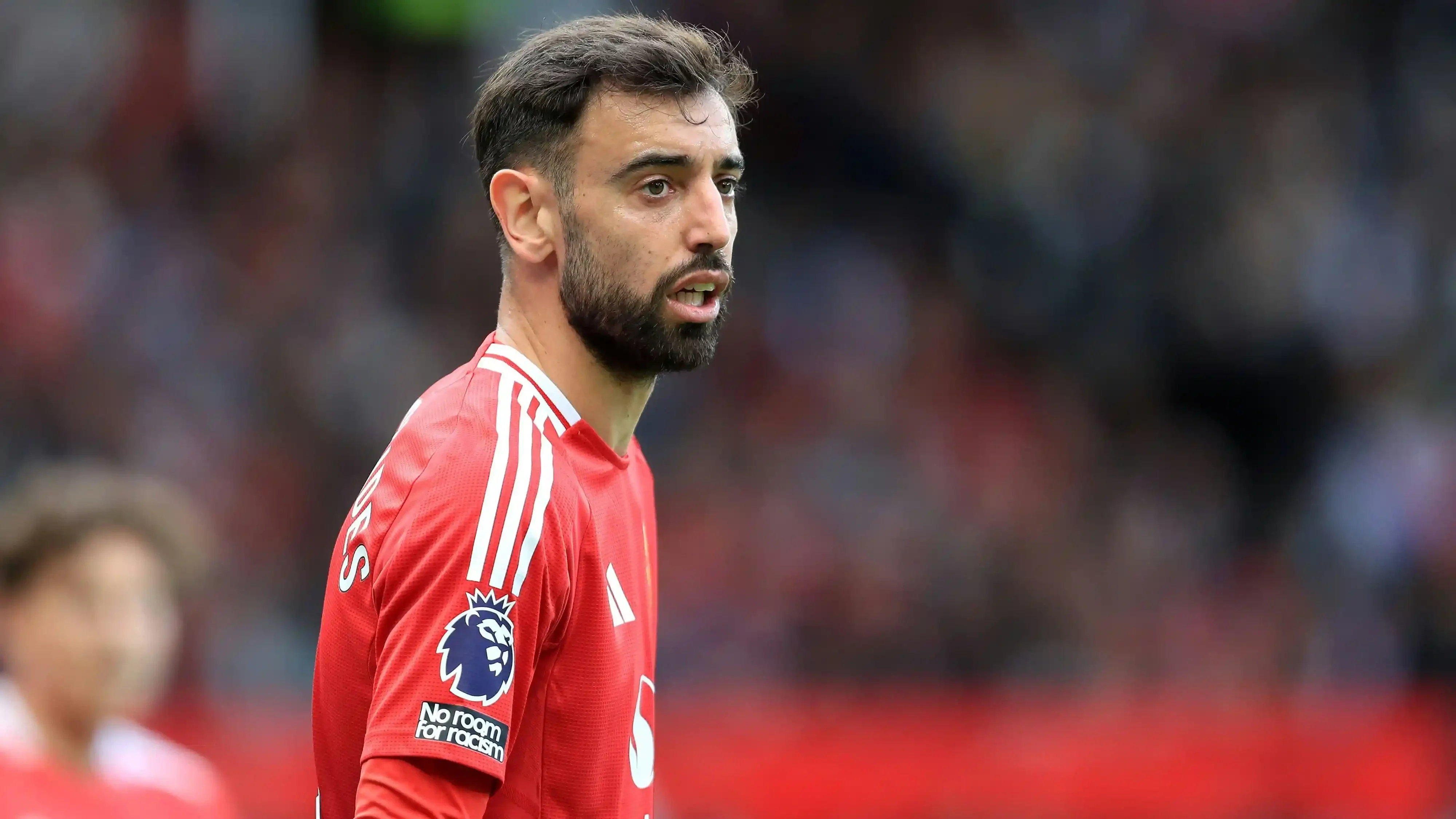
What’s the actual problem with Manchester United? This is one of those questions that sounds simple. But it isn’t. Because Man United’s issues aren’t one thing. They’re a chain.
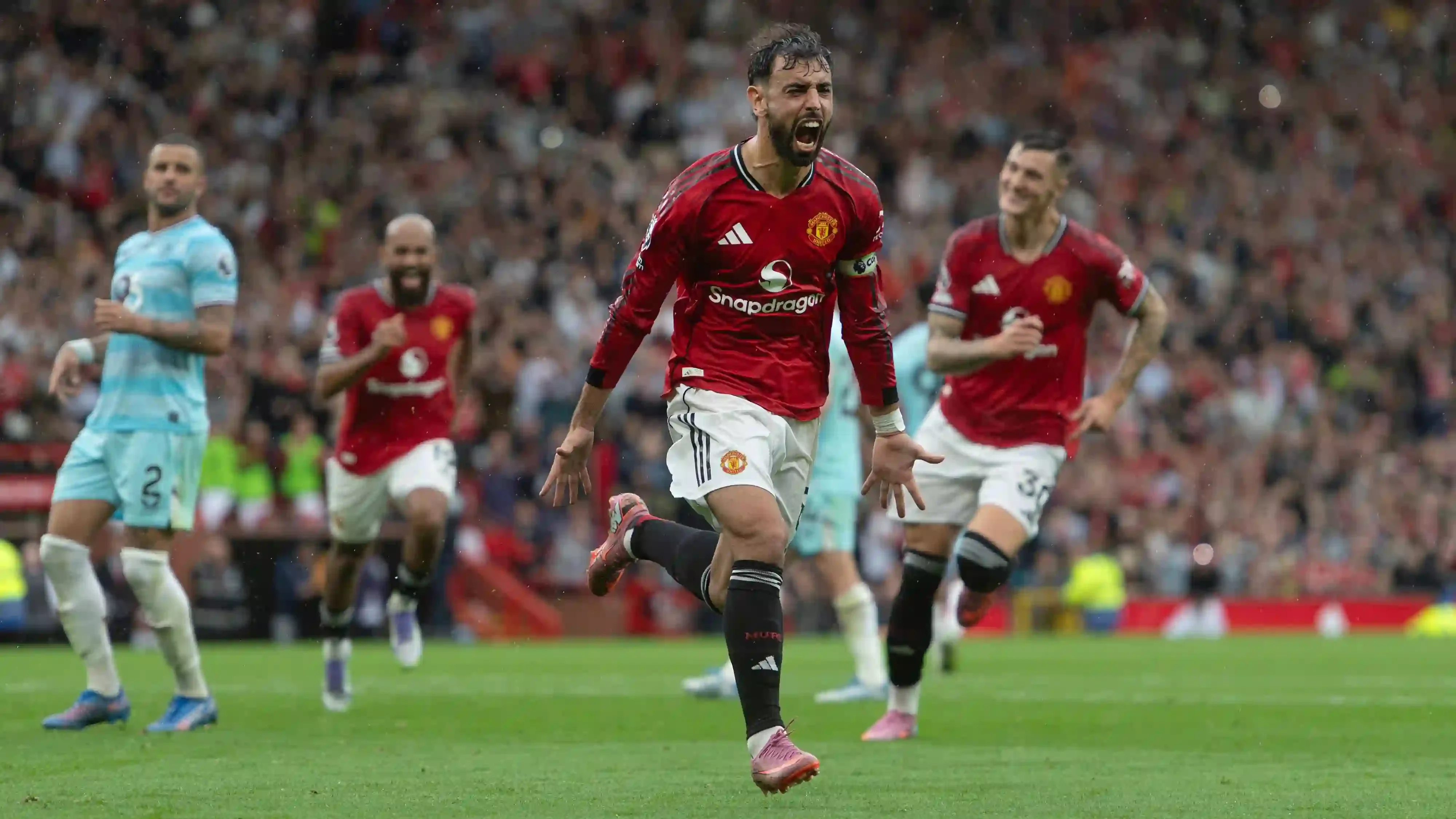
The 4–4 home draw with Bournemouth is an even clearer snapshot of United’s broader issues — attacking brilliance followed by repeated collapses in control. There was a good spell, a lead, and then a late phase where the game became too open again. Amorim’s frustration afterwards reflected a recurring concern: Man United still struggle to manage game state after they score, which keeps turning promising performances into avoidable dropped points.
So if you’re asking “what’s the actual problem?”, the honest answer is this:
It’s not just tactics. It’s not just mentality. It’s the gap between what Amorim wants United to be and what parts of this squad are still built to handle.
The big idea in one sentence
United’s biggest problem is that they’re still mid-conversion between intention and execution.
Amorim’s ideology is clear. The integration of the squad into that ideology isn't. And that mismatch is why United can look convincing for 55 minutes and fragile for 10.
At this level, that 10-minute wobble is enough to cost you the margins that separate top sides from nearly teams.
1. They still can’t control game state reliably
The Bournemouth draw is a perfect example of the pattern..
United score — multiple times — and Old Trafford expects the momentum to settle. Instead, the match keeps reopening. The rhythm breaks. Control slips. And every time United pull ahead, Bournemouth find a way back.
This didn’t happen just once — Bournemouth exposed a pattern that has shown up all season.
When a team can’t manage the “boring parts” of a lead — slowing the tempo, choosing safe moments to press, killing transitions — you get:
- unnecessary chaos
- legs burning while chasing counters
- defenders making too many emergency decisions
Great teams aren’t flawless. They’re stable.
United still aren’t stable enough.
This is also why the margins in England feel harsher than most leagues — what makes the Premier League different is the speed at which games flip.
2. Midfield protection remains the soft underbelly
This is where the tactical and the structural problems meet — especially in how United handle high pressing.
In several game states, United have looked too easy to run through, especially late on or when the match turns open. That doesn’t always show up in highlight reels, but it shows up in dropped points.
This is often the hidden source of:
- late concessions
- panic defending
- that feeling of “why are we suddenly pinned back?”
Even a strong system can collapse if the midfield profiles don’t protect it consistently.
3. The system isn’t broken. The fit is incomplete.
Amorim wasn’t hired as a patch job. The club hired a rebuild coach.
When clubs commit to big structural ideas, there’s always a messy middle phase:
- old habits surface under stress
- new patterns aren’t instinctive yet
- results swing depending on opponent style and match context
That’s where United are living right now.
So it’s not that the system “doesn’t work.” It’s that the squad isn’t reliably equipped to execute it every week.
The bigger picture is that United are trying to modernise in line with broader tactical trends, not just change a formation on a whiteboard.
4. Late-phase defending still looks too fragile
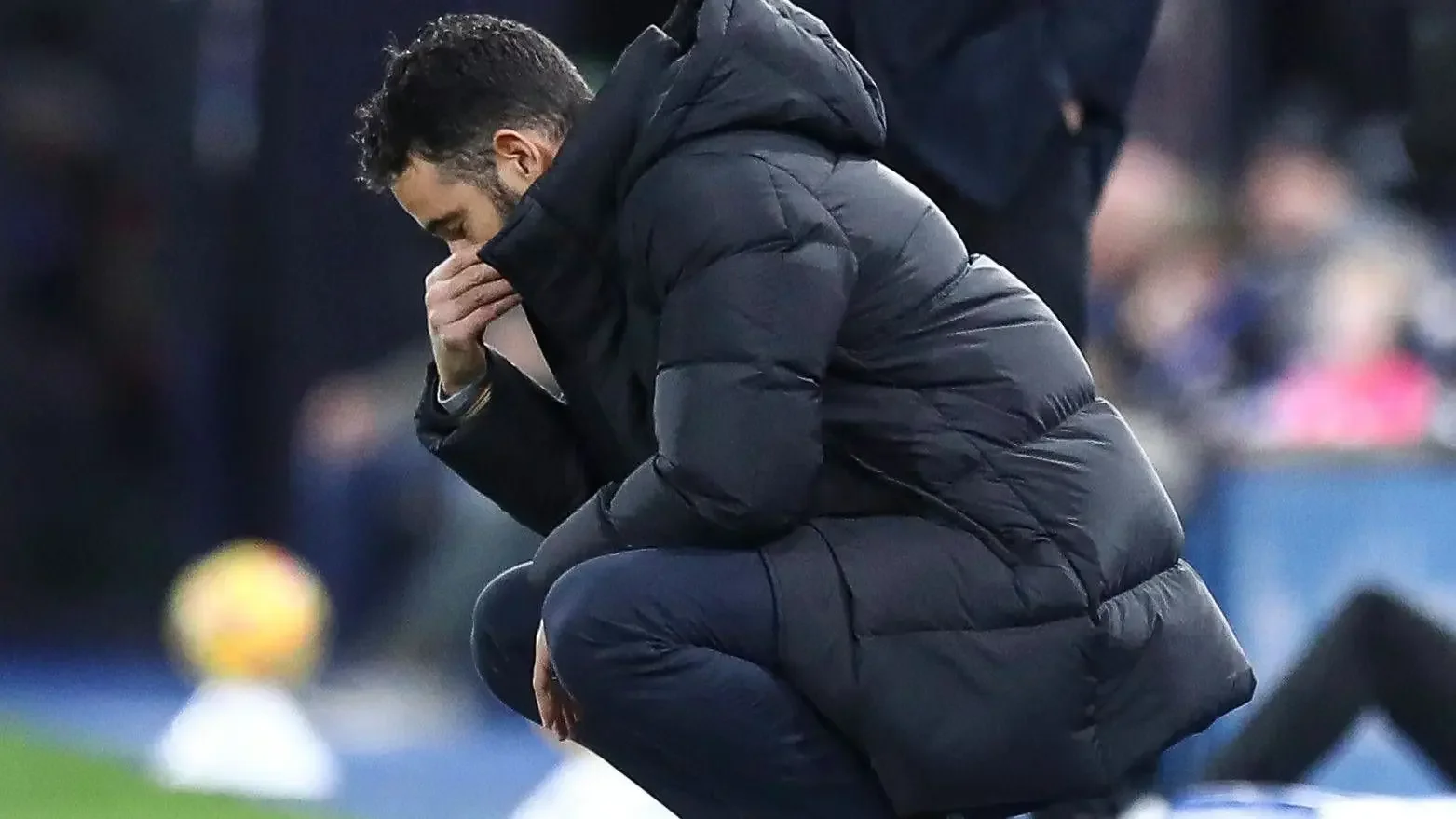
Bournemouth’s late equaliser underlined again how thin United’s margins really are.
When you already struggle with match control, set-piece detail and late-box defending hit harder:
- one loose clearance
- one missed runner
- one second-ball lapse
And suddenly a solid performance becomes another frustrating “almost.”
5. The club rebuild is running alongside financial discipline
This matters more than fans want it to.
INEOS-era restructuring has pushed tighter decision-making, cost control, and long-term sustainability. You can still be a big spender in football and be selective about how you spend.
That means the rebuild pace can be constrained by priorities like:
- wage control
- avoiding short-term signings that don’t fit the manager
- resisting the temptation to “fix it fast” and reset again in two years
United are trying to build a cleaner structure while chasing Champions League outcomes.
That’s not impossible. But it is slower than panic shopping.
6. The mentality argument is real — but usually backwards
Yes, United’s intensity and standards have been questioned again this season.
But “mentality” is often a symptom before it’s a cause.
When roles are defined and midfield protection is reliable, confidence naturally rises. When the game feels unstable, anxiety leaks into everything:
- rushed clearances
- safe passes becoming sloppy passes
- attackers snatching at chances
So the psychology follows the structure more than the other way around.
7. The patience problem is part of the story
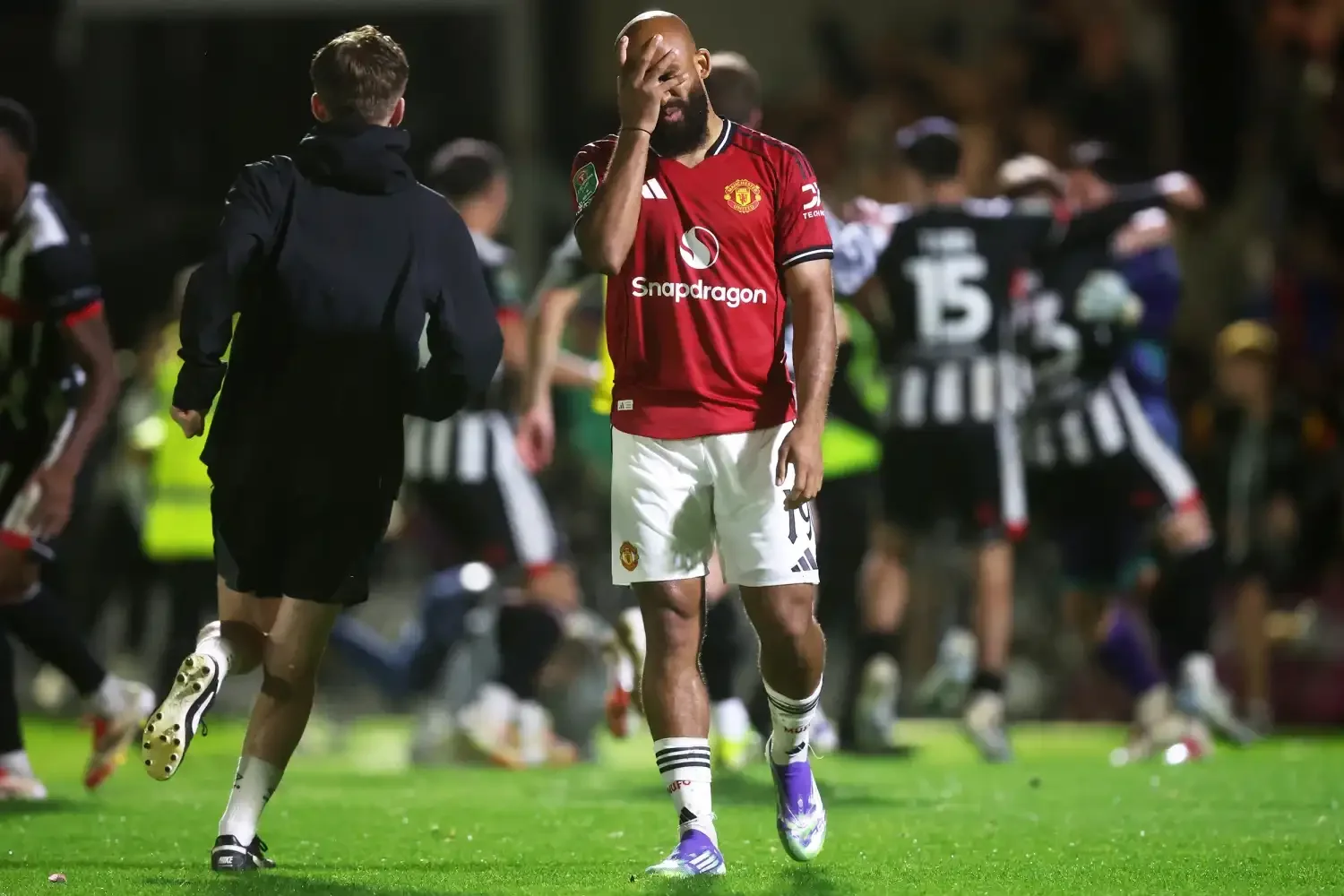
United have changed managers too frequently in the modern era, often without giving each one enough time to fully install a style and shape recruitment around it.
This is where the club’s own history is uncomfortably instructive.
The dynasty United still measure themselves against was built through turbulence first. In today’s immediate-results culture, it’s fair to argue that even a legendary long-term project might not survive its earliest ugly phase.
That doesn’t mean every manager deserves unlimited time. It means rebuild logic collapses if the club keeps resetting before the rebuild period is complete.
You can’t get the benefits of a long-term plan while behaving like a short-term club.
United have three layered problems.
Layer 1: Match-level
- control after scoring
- late-phase defending
- decision-making under pressure
Layer 2: Squad-level
- inconsistent midfield balance
- uneven fit for Amorim’s demands
Layer 3: Club-level
- long rebuild under new leadership
- a more disciplined approach to squad shaping
When all three stack together, you get a team that can look strong and shaky in the same week — and often in the same match.

So what’s the actual problem?
Manchester United are still in the middle of aligning squad profiles, match-control habits, and club structure with Amorim’s long-term plan. That’s why they can dominate long spells and still drop points.
It’s not a comforting diagnosis. But it’s the one that matches what we’re seeing.
Final Whistle
Manchester United’s problem isn’t one thing — it’s a chain. The 4-4 home draw with Bournemouth sums it up: good spells, a lead, then a late loss of control. Amorim’s ideas seem clear, but the squad still isn’t consistently built to execute them for 90 minutes. Until match control, midfield protection, and club-level patience align, United will keep swinging between promising performances and avoidable dropped points.