31 Best Football Teams in the World [Ranked]
From PSG to Manchester United, here’s a ranking of the 31 best football teams —trophies, form, coaching, and big-game nerve.

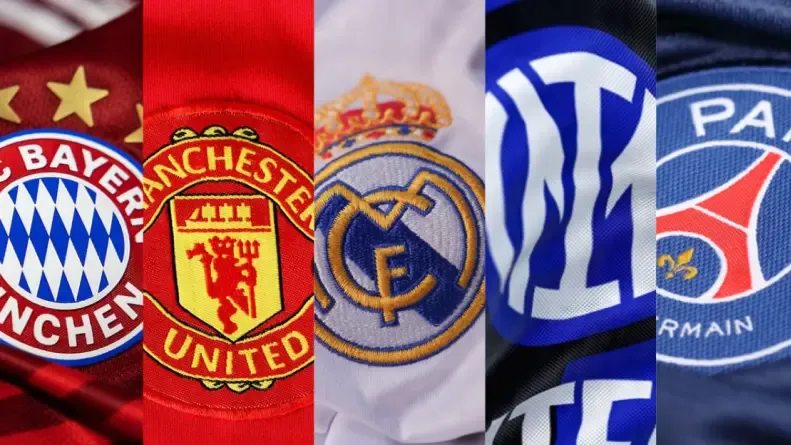
Who’s the best club on the planet right now? Ask ten fans and you’ll get twelve answers—some shouted, some whispered. So here’s a clean, readable, and fair list that blends trophies, recent form, squad strength, and how teams handle the biggest nights.
I’ll explain the reasoning and throw in quick notes you can use when you’re watching at home.
How I Ranked Them
1. Recent major trophies carry the most weight (Champions League, Club World Cup, top domestic leagues).
2. Strength of opposition matters—winning a deep league or beating elite sides in knockout ties counts extra.
3. Consistency across the last 12–18 months—not just a hot fortnight.
4. Squad depth and coaching—game plans, in-game adjustments, and reliable benches.
5. The “eye test”—do they control matches, or survive on moments?
Let me explain: numbers tell you the story of chances; trophies tell you the story of pressure. This ranking tries to respect both.
The 30 Best Teams—Ranked
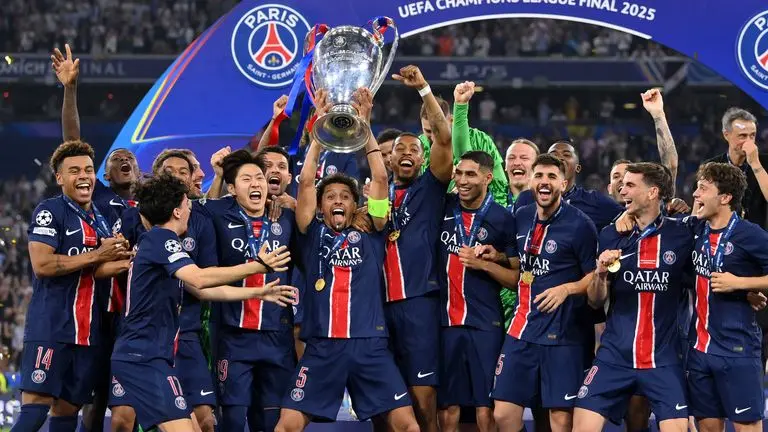
1) Paris Saint-Germain (France)
PSG finally turned potential into proof. They married control with directness, defended better in space, and found big goals against top opponents. With high-end talent wide and a midfield that actually breathes under pressure, they look like a true reference point right now.
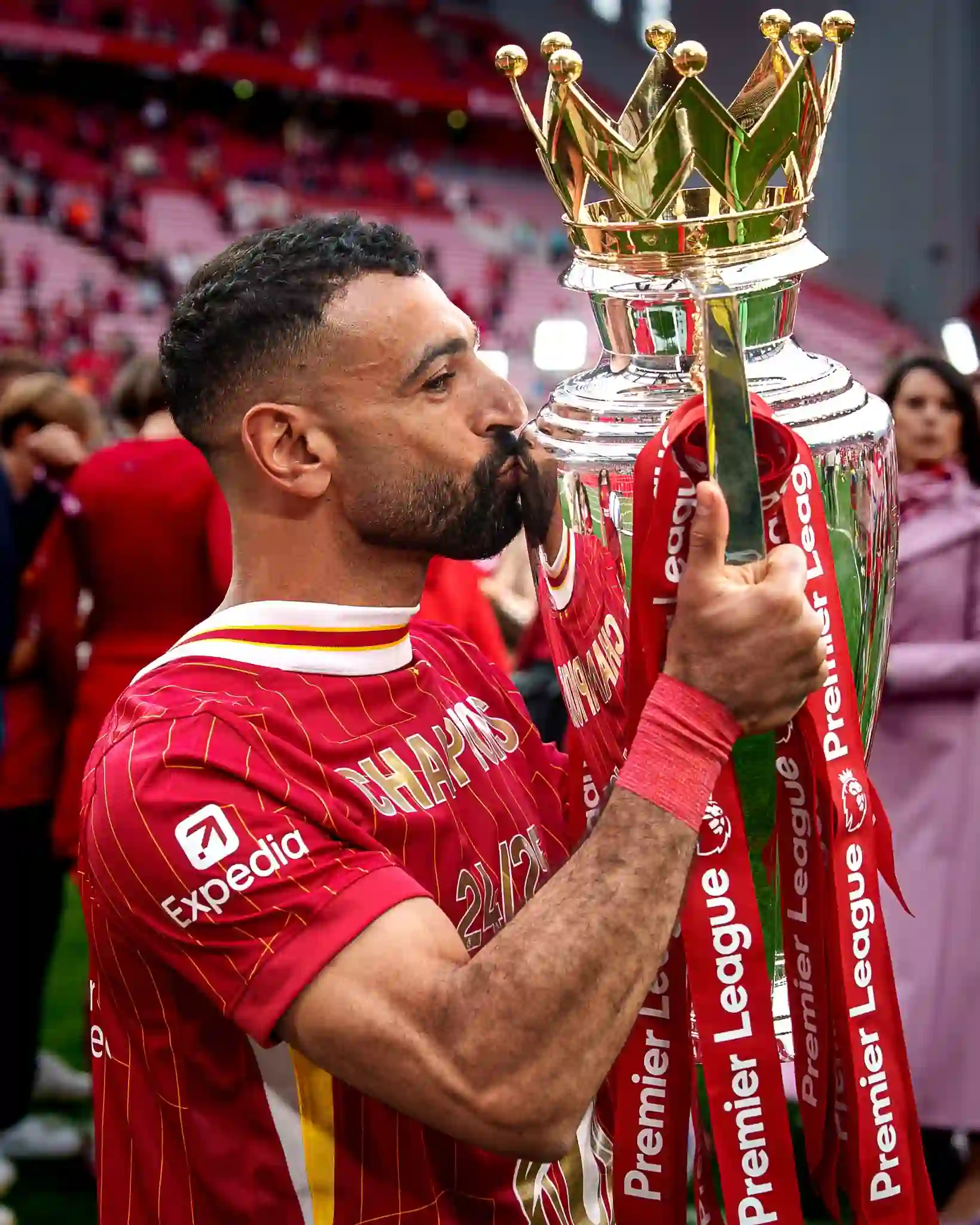
2) Liverpool (England)
Relentless out of possession, smarter with the ball, and deep enough to rotate without losing rhythm. Their league campaign showed they can grind out 1–0s on a wet Tuesday and still fly on the weekend. It’s the balance that puts them this high.
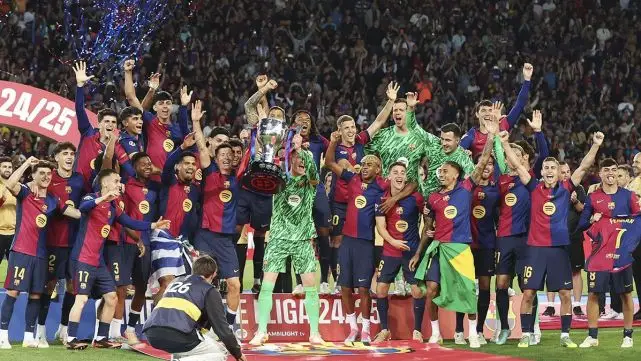
3) Barcelona (Spain)
A steadier, grown-up Barça: clear structure, quick vertical jolts, and a back line that doesn’t crumble under the first counter. The league title came from week-to-week maturity more than fireworks, which—honestly—might be the bigger compliment.
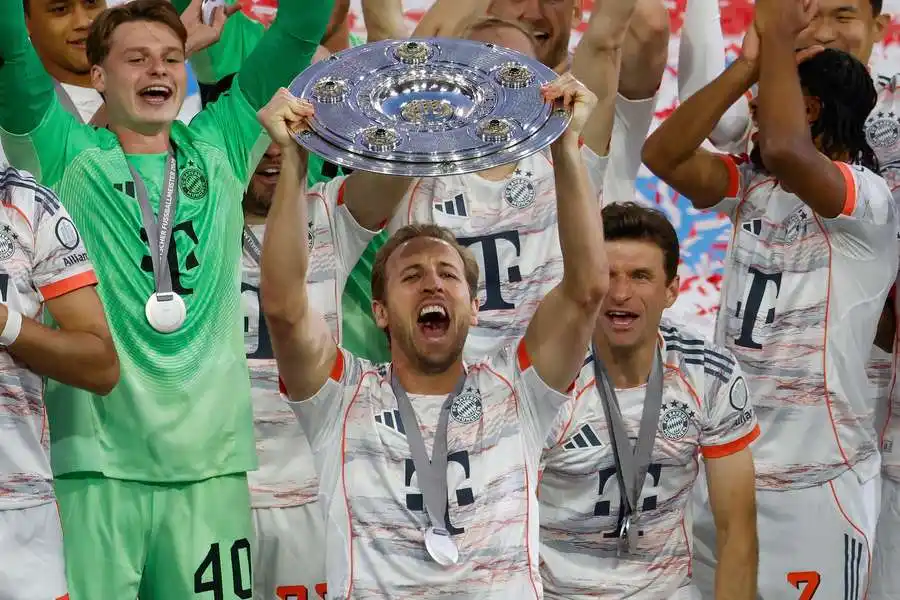
4) Bayern Munich (Germany)
Not every performance sparkled, but the floor is sky-high. They recycle pressure like a machine and can raise the temperature with one midfield change. Give them a lead and they’ll squeeze the air out of the match.
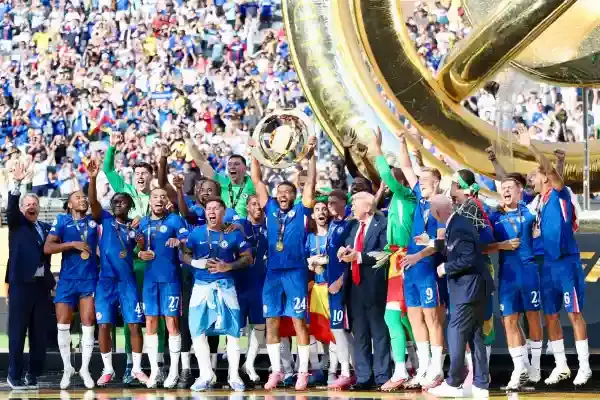
5) Chelsea (England)
This is where it gets spicy. Chelsea lifted the expanded Club World Cup and added European silverware in the same stretch. The league form had wobbles, sure, but a team that wins big finals while still knitting its identity is a dangerous proposition.
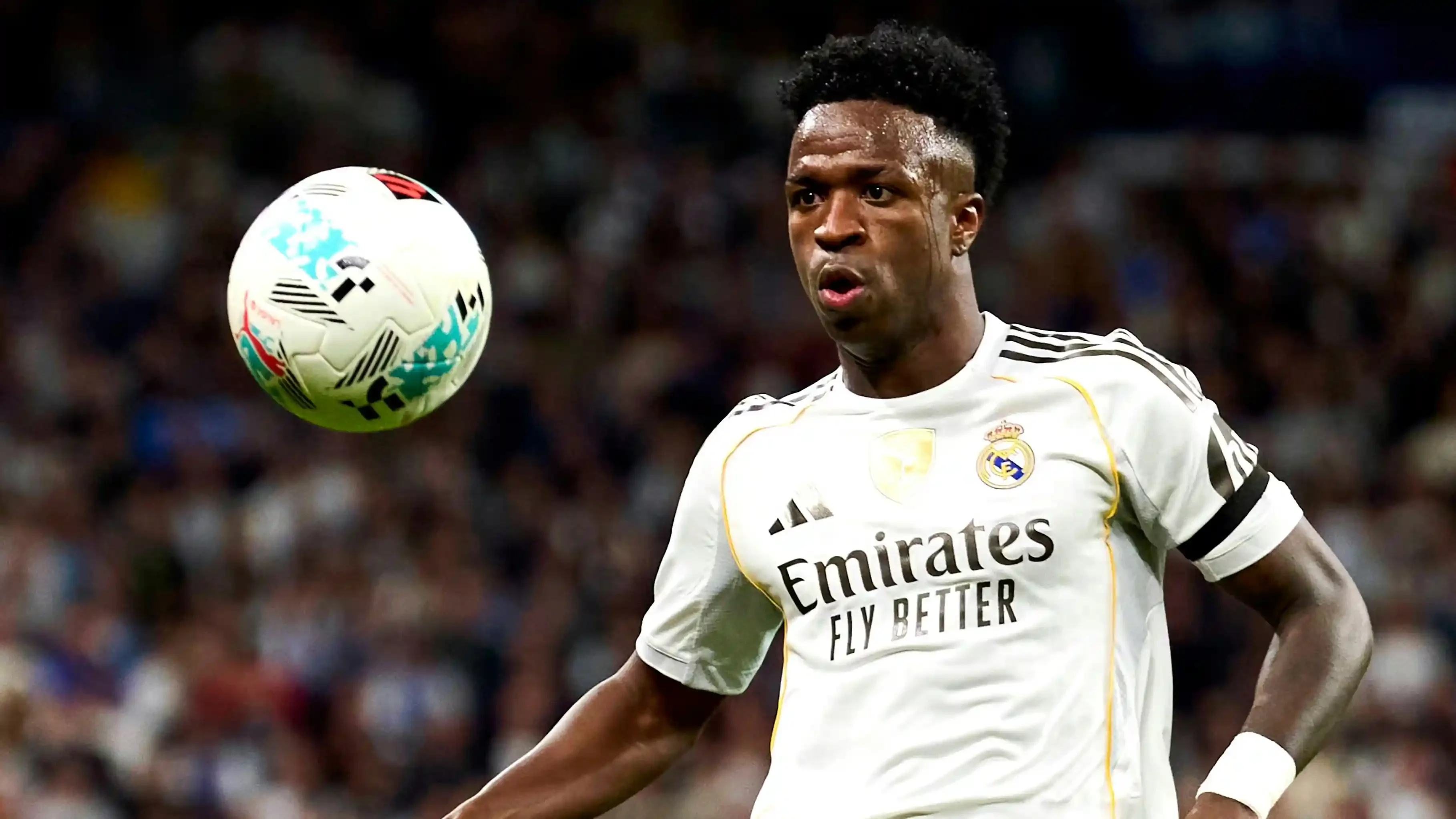
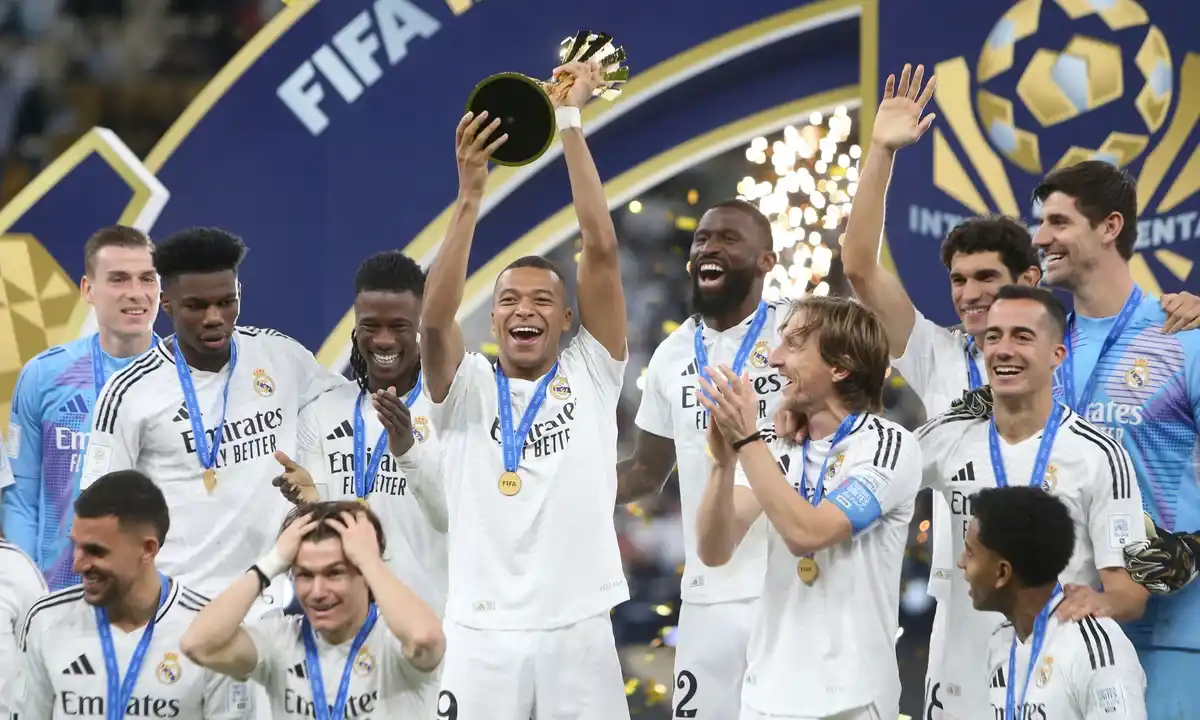
6) Real Madrid (Spain)
Maybe not the most decorated of the last season, but still the gold standard for knockout poise. Veterans who don’t blink, kids who play with no fear, and the sense that one moment is enough. You never feel safe with a one-goal lead.
7) Inter (Italy)
Inter look like a team built in a lab for two-legged ties: compact lines, quick wide breaks, and discipline at set pieces. They reached the very top tier in Europe and didn’t look out of place for a second.
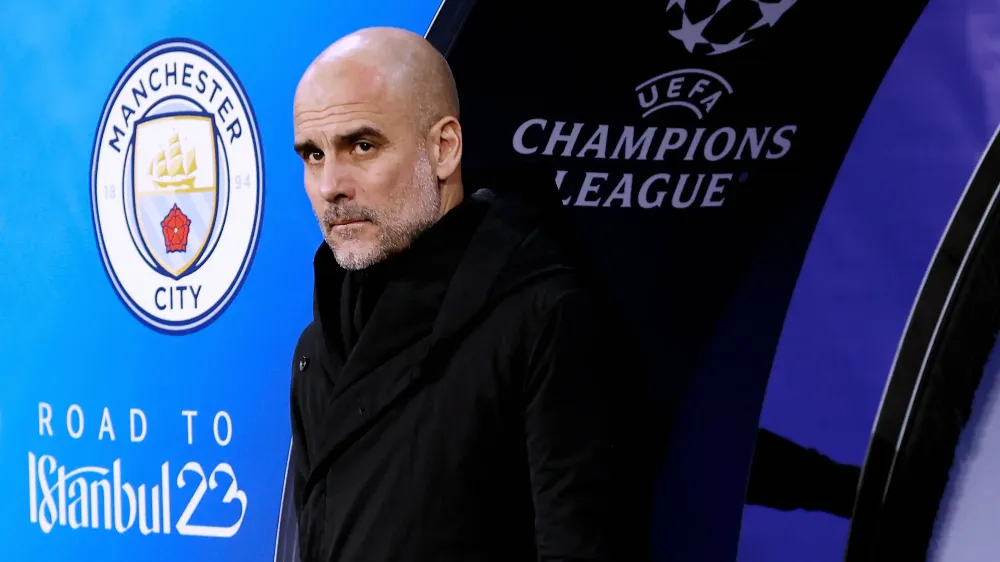
8) Manchester City (England)
A “down” year by City’s own wild standards still means long spells of control and chance creation on tap. Their passing rotations remain a tutorial, and when the finishing clicks, they can bury you in 20 minutes.
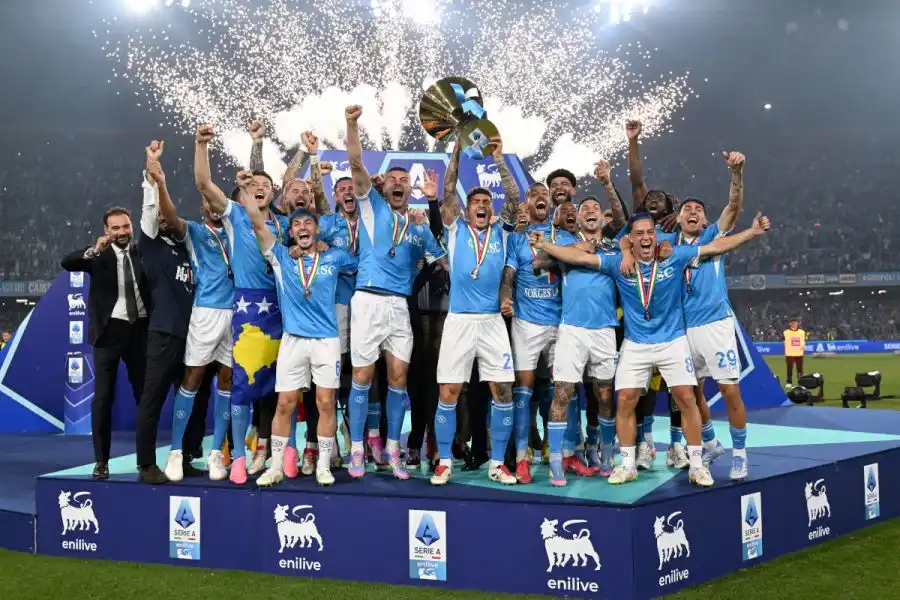
9) Napoli (Italy)
When the press bites, Napoli turn giants into bystanders. Fast combinations in tight lanes, an edge at home, and enough firepower to nick late winners. They reminded everyone that courage with the ball still terrifies opponents.
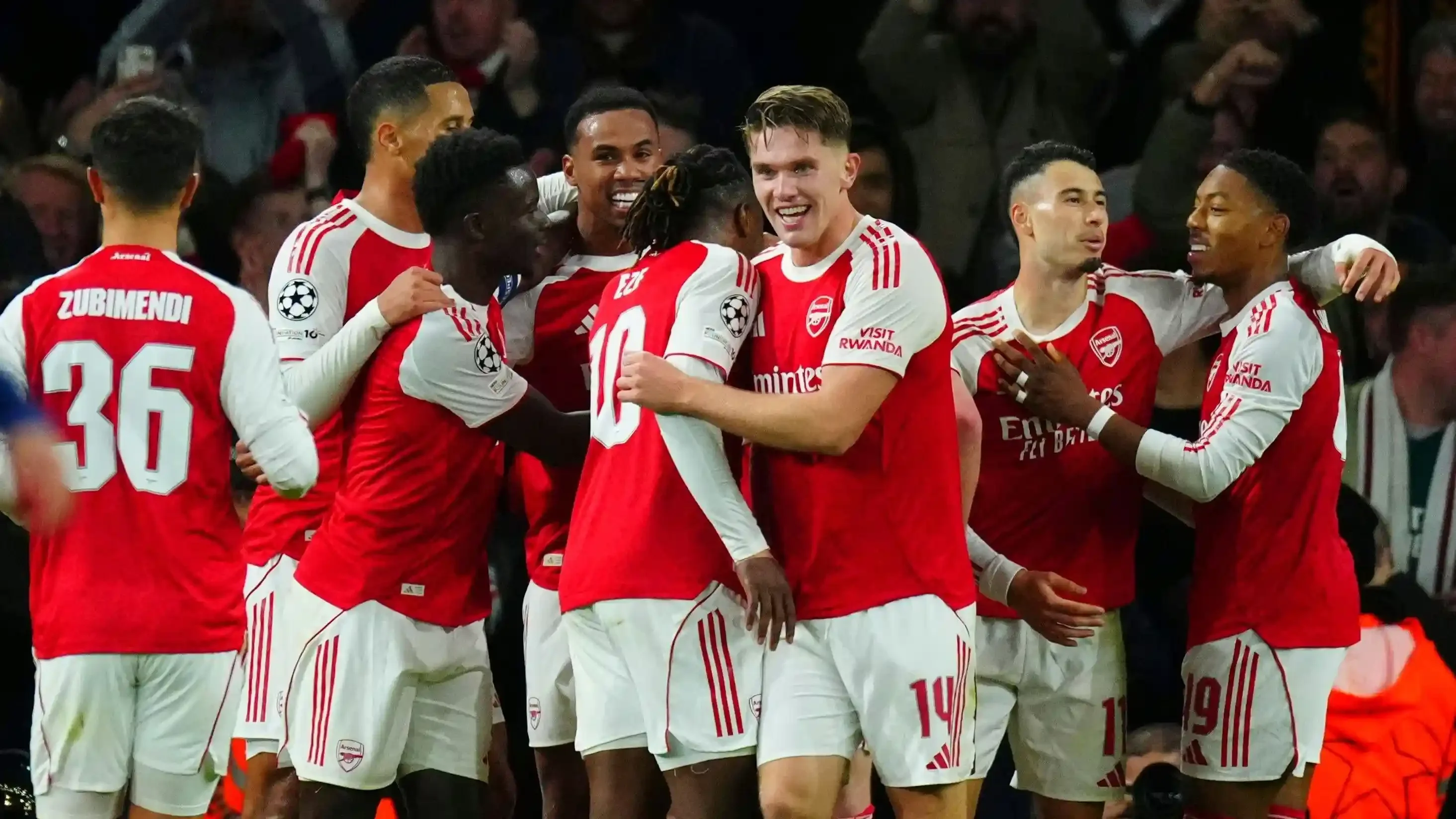
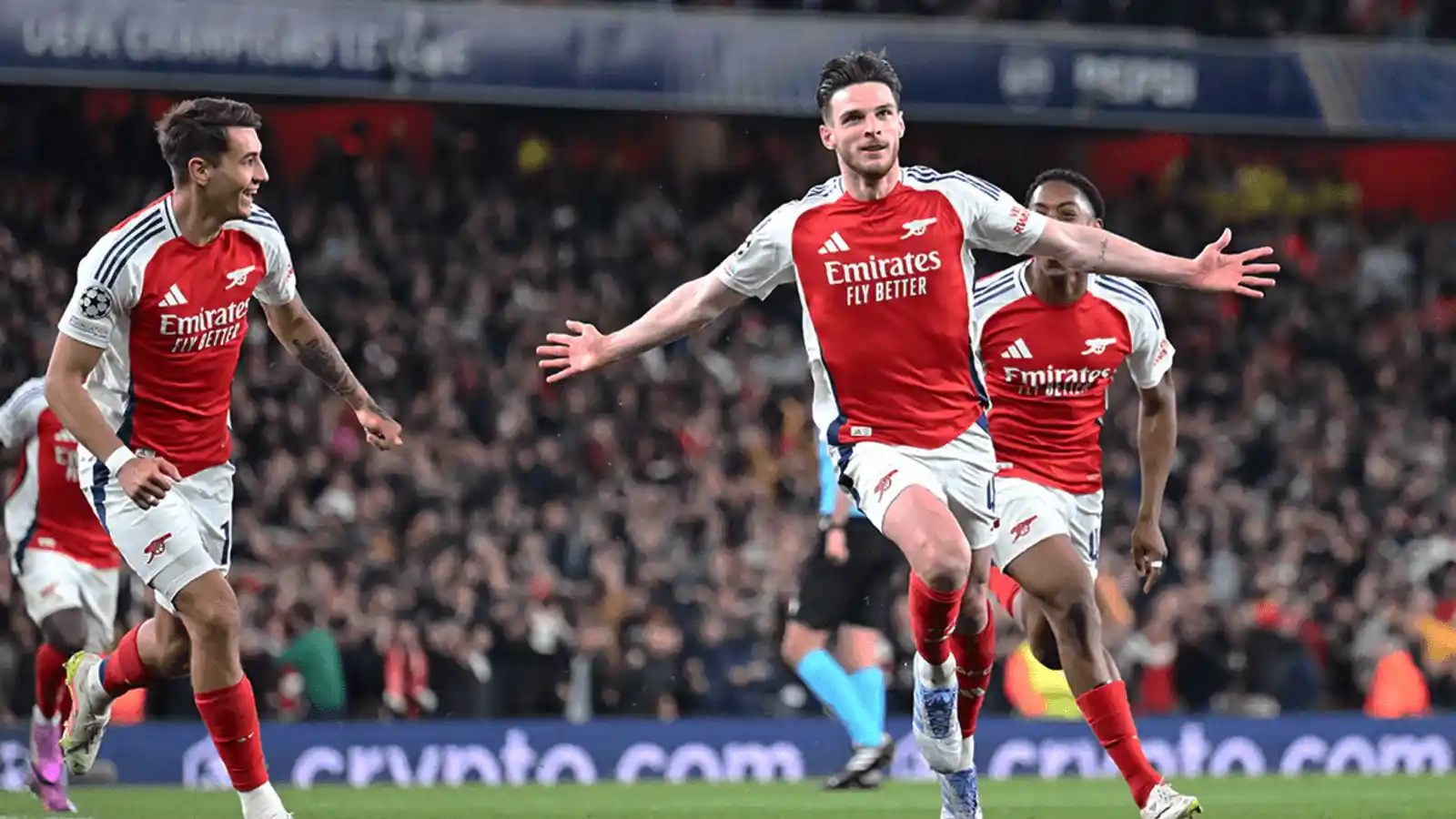
10) Arsenal (England)
Close, consistent, increasingly ruthless. The structure is strong through the spine, set-piece craft is elite, and the bench finally changes games. One sharper run in Europe and they’re knocking on the top five.
11) Atlético Madrid (Spain)
They’ve evolved from pure grind to a clever mix of control and chaos. If you’re chasing them at 1–0, bring snacks—you’ll be there a while. Still the side no one wants in a quarterfinal.
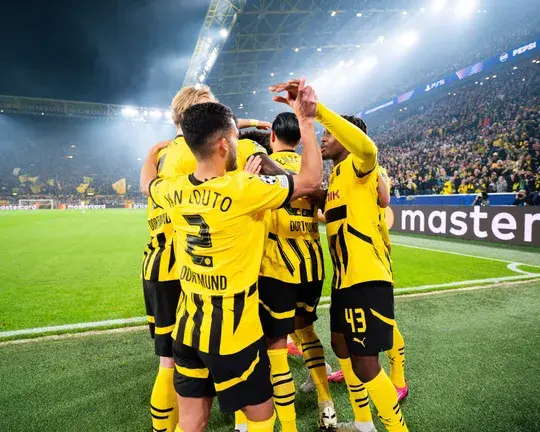
12) Borussia Dortmund (Germany)
High ceiling, high noise. The press, the pace, and a home atmosphere that turns heavy legs light. When their finishing runs hot, they look like they can beat anyone.
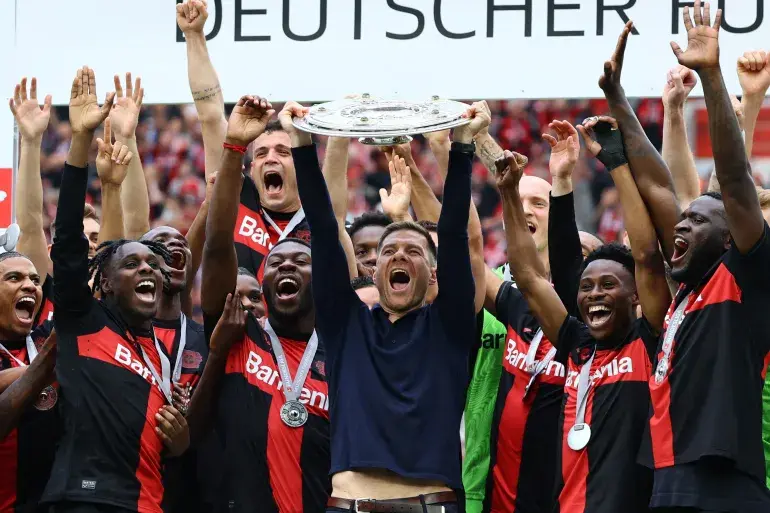
13) Bayer Leverkusen (Germany)
Modern spacing, endless runners, and full-backs who act like playmakers. Even when they don’t grab the title, the football feels ahead of the curve and horrible to defend.
14) Juventus (Italy)
Maybe not all fireworks, but clever with game states and stubborn without the ball. They squeeze margins with set pieces and slow games down to their heartbeat.
15) AC Milan (Italy)
Youth and experience in good harmony. Milan have legs late and a calm first phase. One bridge piece in midfield and they’ll stay in the European top table conversation.
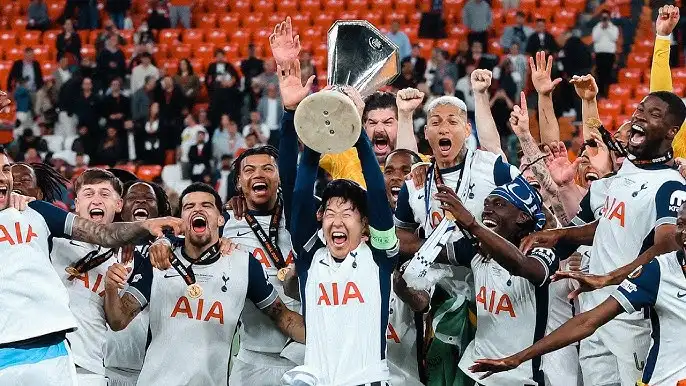
16) Tottenham Hotspur (England)
Silverware at last—and not a small one. Spurs’ Europa triumph rode on clarity: win it back, use the width, finish the first good chance. Add a center-back pairing that actually trusts each other, and you’ve got a top-10 on merit.
17) RB Leipzig (Germany)
Vertical, punchy, and confident in transition. It’s the kind of football that makes even big teams backpedal. The academy pipeline keeps the ceiling high.
18) Benfica (Portugal)
Technicians everywhere. They wriggle out of tight pressure, use the half-spaces, and slip runners behind full-backs. In Europe, they’re the “nasty draw” you secretly fear.
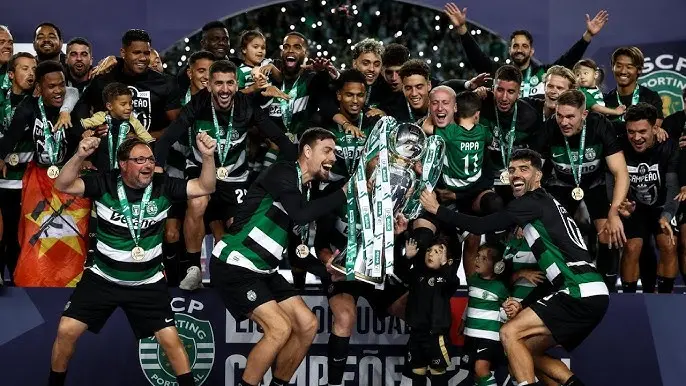
19) Sporting CP (Portugal)
Coherent idea, tidy midfield, quick front line. Domestic dominance didn’t feel like a fluke; it felt like a plan. Their next step is deeper European springs.
20) FC Porto (Portugal)
Porto are comfortable in beautiful games and street fights. They flip tempo mid-match better than most and stay alive long enough to land the last punch.
21) PSV Eindhoven (Netherlands)
Champions with nerve. They keep the ball moving, overload wide channels, and pounce on second balls around the box. The Phillips Stadion roars them through rough spells.
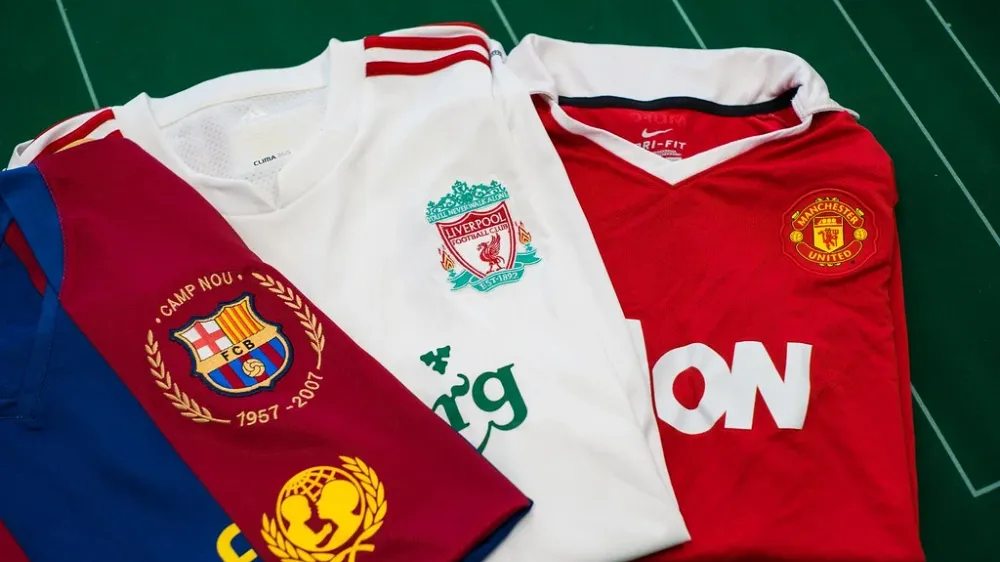
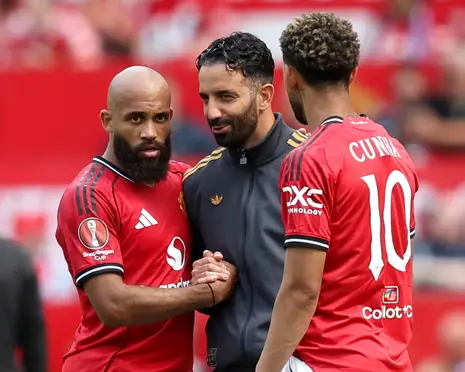
22) Manchester United (England)
Historic muscle with modern tweaks. United’s recent stretches have mixed gritty one-goal wins with sharper pressing triggers and improved set-piece threat. The attack still blows hot and cold, but Old Trafford’s big-match energy remains a real edge. With cleaner build-up and a steadier injury picture, this squad has the bones to climb back into the top-20 conversation.
23) Al-Ahli (Saudi Arabia)
A deep squad with star power and structure. They track runners, transition fast, and carry a real set-piece threat. In Asia’s revamped top tier, that’s a winning formula.
24) Botafogo (Brazil)
Libertadores winners with grit and style. South American nights test your character—travel, weather, noise—and they passed those tests again and again.
25) Cruz Azul (Mexico)
CONCACAF champions off intensity and directness. They’re ruthless on restarts and break lines quickly after turnovers. In a two-leg tie, that’s a nightmare to manage.
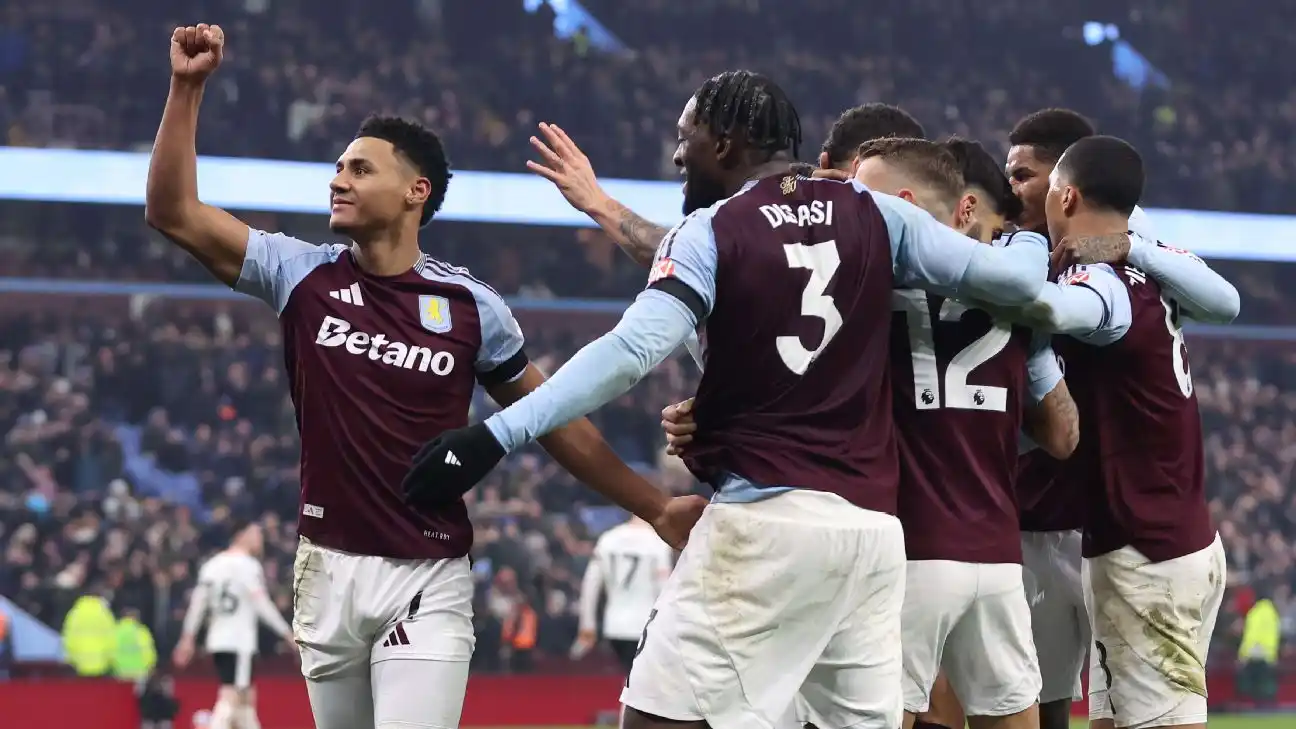
26) Aston Villa (England)
Well-coached, aggressive, and organized. Villa went from tricky away day to genuine European threat. Their spacing without the ball is textbook.
27) Pyramids FC (Egypt)
Africa’s newer heavyweight. A balanced squad, confident in possession and sharp when space opens. Their continental title wasn’t a cameo; it felt like a statement.
28) Al Ahly (Egypt)
The giants. A record haul of continental crowns, a deep bench, and a culture of winning hard games. Even when they finish second, they set the continental tempo.
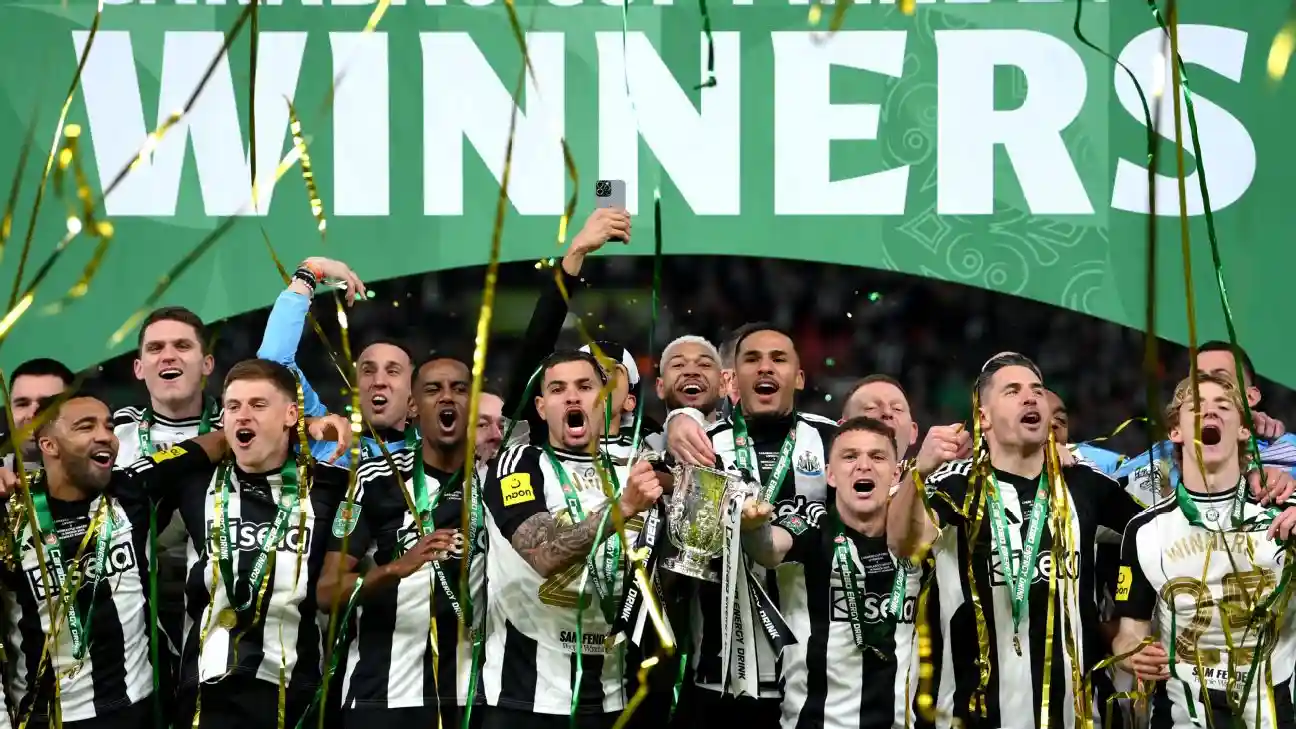
29) Newcastle United (England)
Yes, there were bumps. Still, when healthy and energetic, they’re a storm: pressing waves, quick outlets, and a home crowd that acts like a tailwind.
30) Real Sociedad (Spain)
One of Europe’s cleanest possession sides. They knit through midfield, pull full-backs out of shape, and slip runners into the box. A touch more punch and they shoot up this list.
31) AS Monaco (France)
Lively, technical, and brave. Monaco can turn defense into a sweeping attack in seconds. Fun, dangerous, and trending upward in a league stacked with athletes.
Quick Notes (because context matters)
- Why PSG over Chelsea at #1? Chelsea’s recent international and European trophies are huge, but PSG combined continental success with sustained control across tough domestic and European stretches. Over many high-stakes games, today, PSG feel a touch more complete.
- Why Liverpool ahead of Barcelona? England’s top tier is deeper week-to-week. Liverpool’s run showed more resilience under pressure, while Barça’s league title proved consistency. Margins are small here.
- Where’s Atalanta? Just outside. The football is great, and the talent’s real, but recent silverware in that tier leaned toward Spurs—so Tottenham get the nod.
- Why include champions beyond Europe? Winning the Libertadores, AFC Elite, or CAF CL is hard: long trips, different styles, and intense atmospheres. Continental champions from those regions belong in a global top 30. Full stop.
How to Spot a “Top-10 Team” in Five Steps (watching at home)
1. Off-ball shape: For five minutes, watch without the ball. Do they squeeze passing lanes, or chase shadows?
2. Clean entries: Count controlled entries into the final third. Top teams create repeatable patterns—cutbacks, underlaps, third-man runs—not just hopeful crosses.
3. Set-piece detail: Screens, blockers, second-ball traps. Elite teams treat corners and free kicks like laboratories.
4. Game-state control: Leading on 65’? Do they deflate the match, or invite chaos? Watch their rest defense (who’s back when they attack).
5. Sub impact: Within five minutes of changes, did the tempo or shape shift? Great benches change the weather of a match.
You know what? Once you start looking for these little tells, you’ll notice why some sides feel calm at 1–0 while others look like a shopping trolley racing downhill.
What the Numbers Whisper (without getting lost)
- Expected goals (xG) says whether a team’s chance volume is sustainable. If a side wins five straight by one goal but the xG is even, a wobble may be coming.
- Field tilt & passes into the box hint at control. Teams that pin you in don’t rely on one wonder strike.
- High turnovers (regains in the final third) show pressing bite that often travels well in Europe.
I’m not saying vibes don’t matter—football is a feelings sport—but these three metrics keep you honest.
Seasonal Threads & Mini-Trends
- Set-piece arms race: More teams are hiring specialist coaches, using NFL-style screens and rehearsed routines. If your club isn’t doing it, they’re handing away free goals.
- Smarter rotation: Heavy calendars force earlier subs and planned minutes. The squads that win spring trophies started managing winter legs.
- Hybrid full-backs: Everyone’s tucking in. The trick is choosing when—not every attack needs an extra midfielder. The best sides read the flow, not the chalkboard.
Summary: Key Takeaways
- Trophies tell the truth. Recent champions—global, continental, and domestic—anchor the top of the list.
- Depth wins seasons. Teams 1–10 have benches and managers who change games, not just names on a teamsheet.
- Non-European champions deserve the stage. Botafogo, Al-Ahli, Pyramids, Al Ahly, and Cruz Azul earned global respect the hard way.
This list will move. Transfers, injuries, and form swings will shuffle the order. The core idea stands: reward recent proof, respect the difficulty of the schedule, and listen to what the games keep telling us.
Final Whistle
The table shifts, the moods swing, the arguments never stop—and that’s the fun of it. Rankings aren’t a courtroom verdict; they’re a snapshot of form, nerve, and know-how. If your club’s lower than you think, take it as fuel. If they’re higher, enjoy the view and expect a chase. Football keeps us honest because the next match always arrives. See you after the final whistle of the next big night—bring your own ranking and your best counter-points.