Who Has the Loudest Stadiums in Europe? (12 Fan Picks)
Who has the loudest stadiums in Europe? This fan-rated list covers 12 football stadium atmospheres known for loud crowds, derbies, and iconic nights.


There are a few football debates that never die. Best player. Worst ref. And the loudest ground. This one is fun because it’s half memory and half myth. And I mean that in a good way.
Because stadium noise isn’t just about sound. It’s about timing, stakes, and the weird way a crowd can change the temperature of a match. One minute you’re watching a normal league game. Then a goal goes in, or a bad tackle lands, and the whole place snaps to attention like a single organism.
So this list is fan-rated. Not lab-rated. No fancy decibel dashboard. More like group consensus from people who keep going, keep traveling, and keep arguing about where the air feels thickest.
And yeah, it’s subjective. But it’s not random.
So what makes a stadium feel loud?
Here’s the thing. Pure volume matters, but how the noise behaves matters more.
A few factors show up again and again:
1. The architecture factor Some stadiums are basically sound traps—steep tiers, tight bowls, roofs that bounce noise back down. Think of it like shouting in a stairwell versus shouting in an open park.
2. The culture layer Ultra groups, old-school songbooks, ritual chants. This is crowd operations, almost like a project plan that runs every matchday. The best groups manage tempo. They don’t just react.
3. The rivalry tax Derbies are a cheat code. The same stadium that feels lively in week 12 can turn feral for a city clash.
4. The club story I know this sounds soft, but it’s real. Clubs with a strong identity often have crowds that see support as a duty, not a weekend hobby.
Put all that together and you get a place that doesn’t just host football. It presses it.
The list — and yes, you’ll want to argue with it
I’m going to keep it honest. You could reorder these and still be right. Fans love different flavors of noise. Some prefer the nonstop chanting style. Others prefer the big-wave roar that hits in bursts.
But these twelve are the names that keep coming back in conversations across Europe.
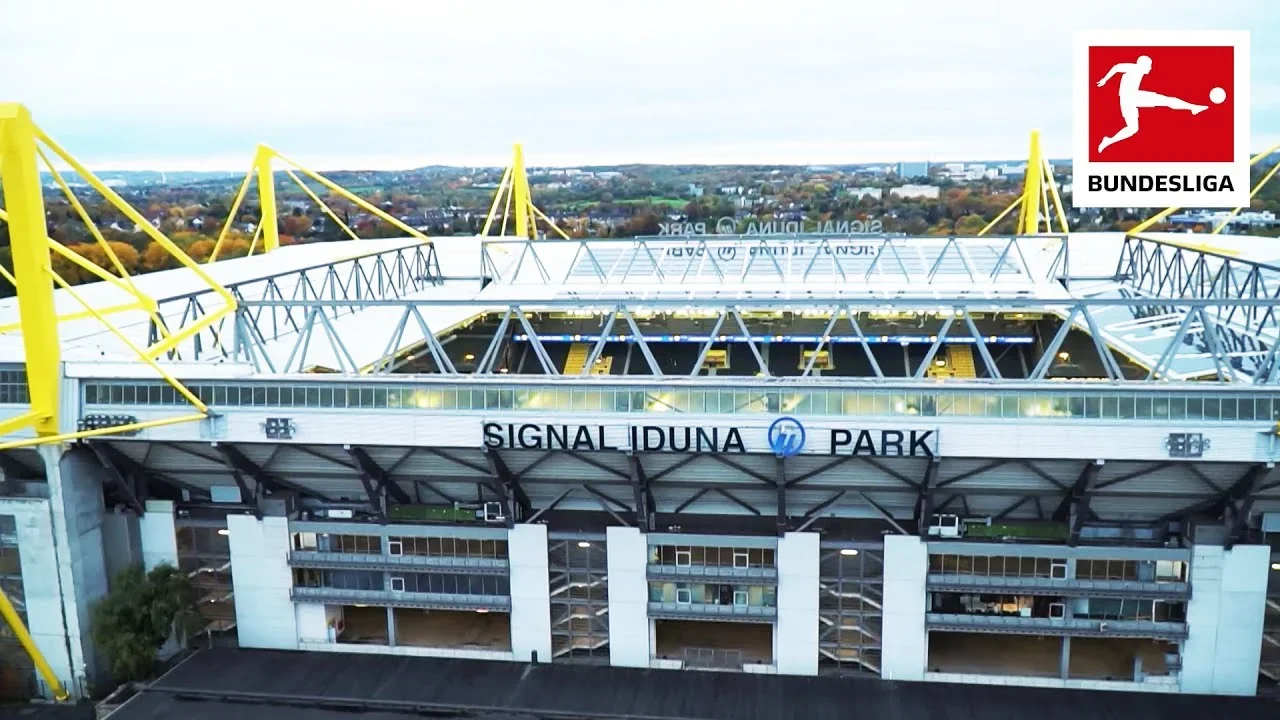
1. Signal Iduna Park (Borussia Dortmund)
This is the obvious one, but also the correct one.
The Yellow Wall isn’t just big. It’s coordinated. It’s like watching a massive choir that also likes to intimidate visiting full-backs. When Dortmund are flying, the place feels like a giant engine room.
And when they’re not flying? The crowd still drags the team forward. That’s the real flex.
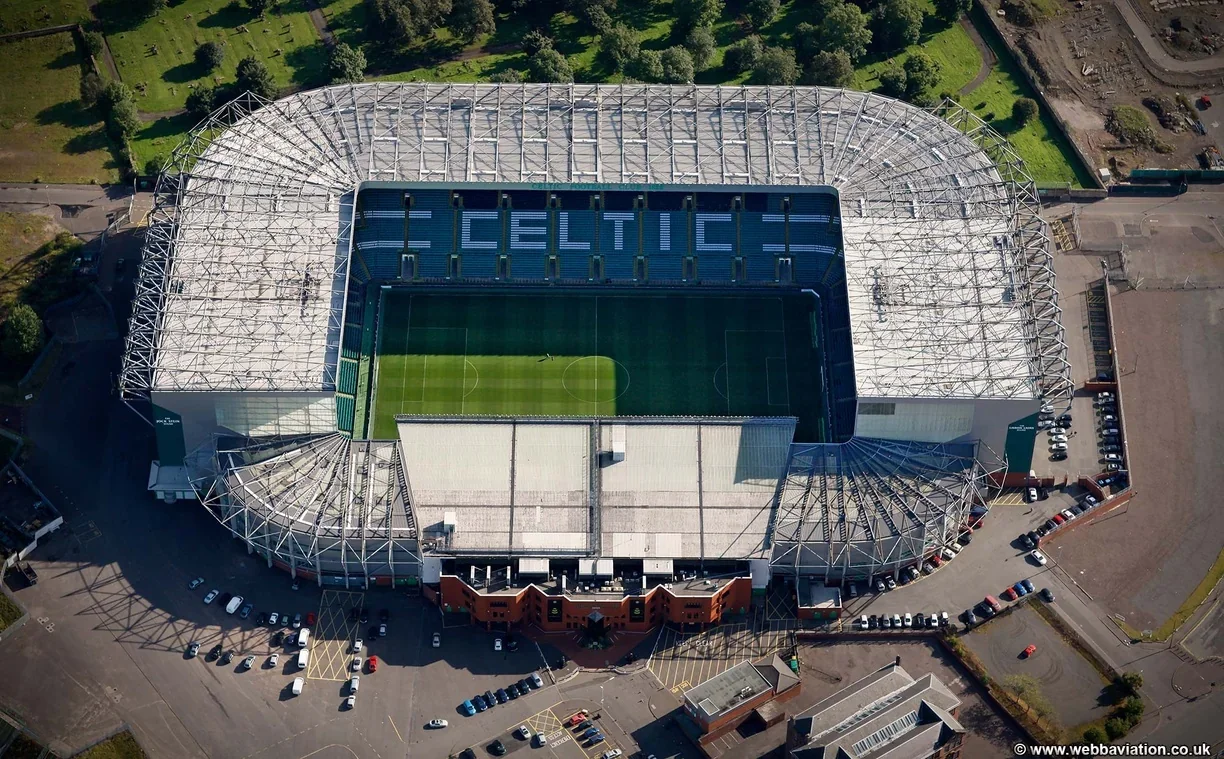
2. Celtic Park (Celtic)
Some stadiums are loud. Celtic Park is loud and emotional.
European nights here are a separate product line. The crowd doesn’t warm up slowly. It arrives ready. The songs have weight. The noise isn’t polished; it’s heartfelt, which is why it lands.
You can be a neutral and still feel your skin prickle. That’s rare.
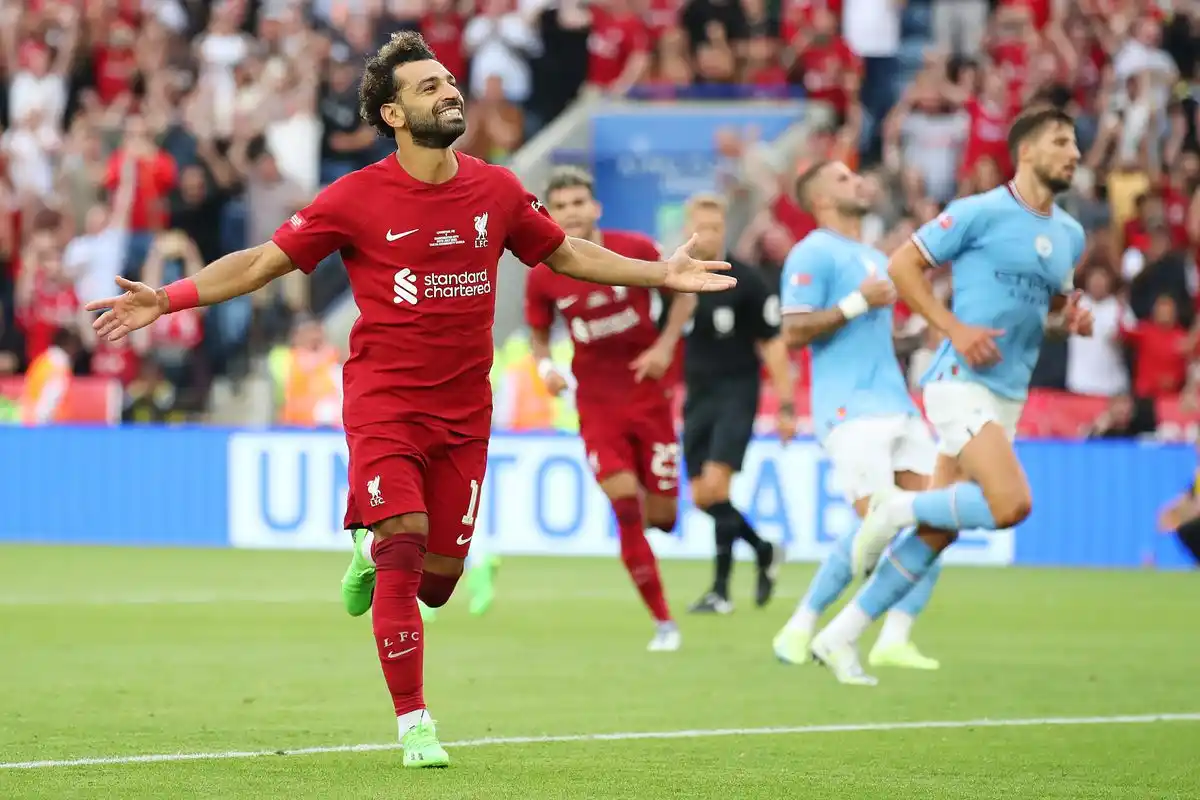
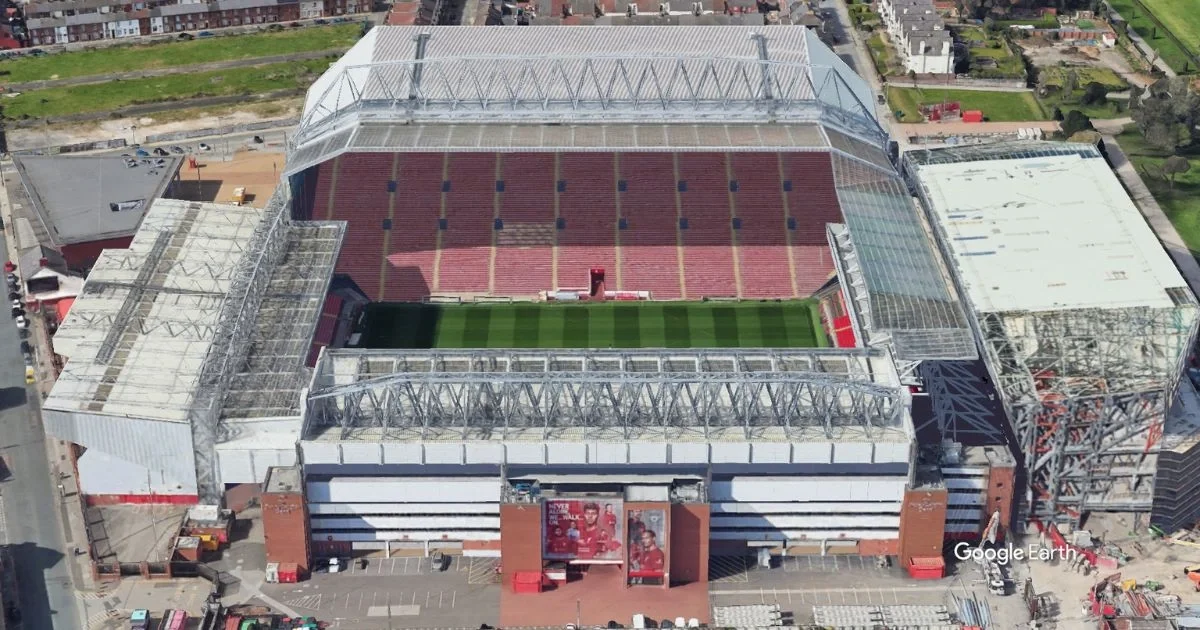
3. Anfield (Liverpool)
Anfield is a funny one. It can be quiet in patches. Then it can feel like the roof is about to float away.
The big nights are the reason it’s here. Knockouts. Title races. Games where the crowd decides it’s time to go into full “we are not losing this tonight” mode.
There’s also a classic Anfield thing where the noise peaks exactly when Liverpool needs oxygen. That timing is a skill.
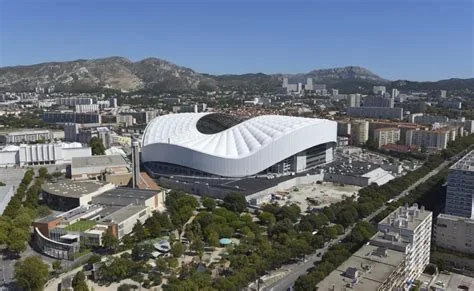
4. Stade Vélodrome (Marseille)
If Dortmund is a machine, Marseille is a storm.
The Vélodrome has that raw edge. The chants are relentless. The vibe can be celebratory and threatening in the same breath. Which sounds dramatic, but that’s the point.
This is one of those places where a 0-0 can still feel intense because the crowd refuses to let the energy drop.
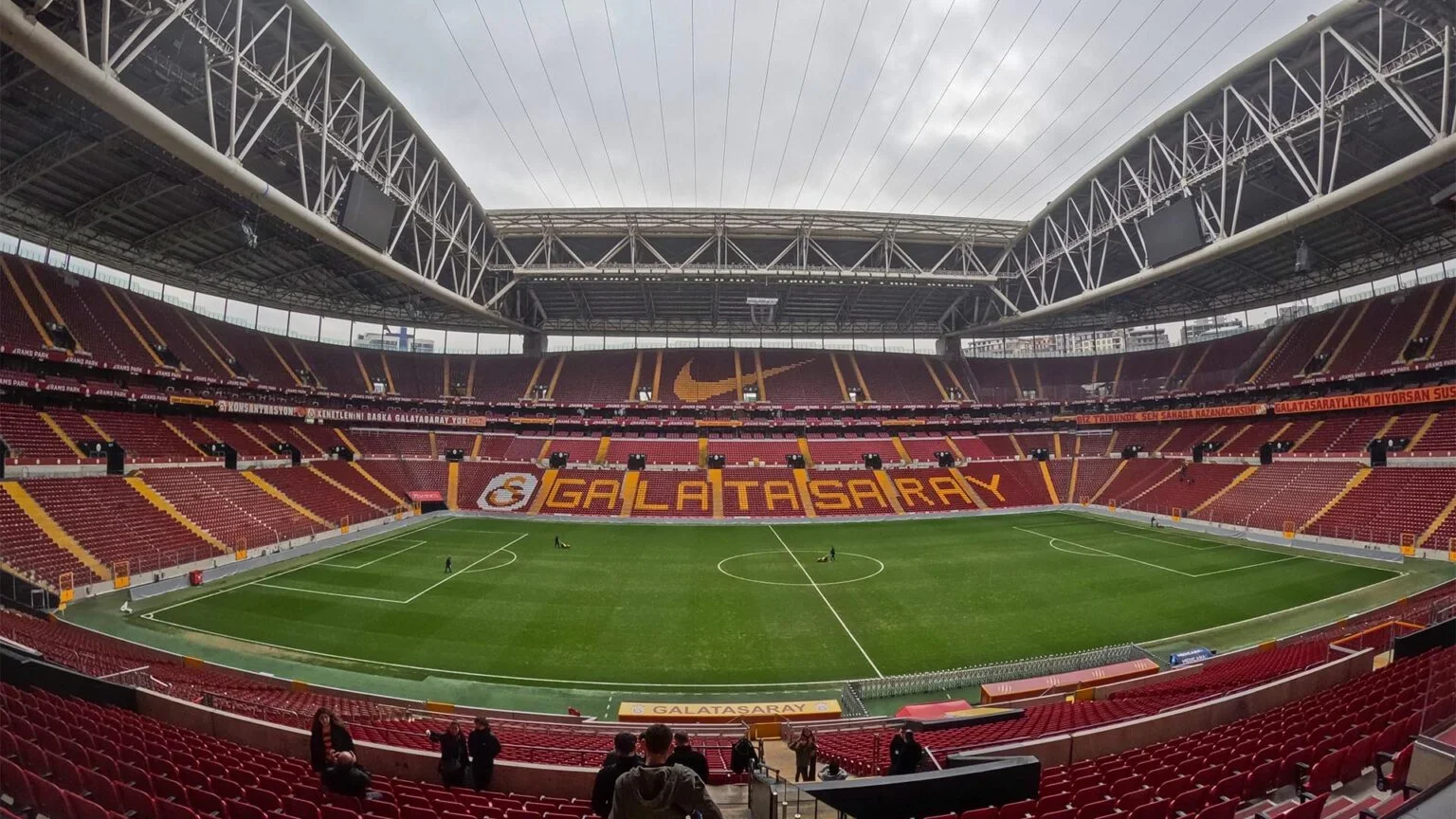
5. RAMS Park (Galatasaray)
Istanbul has a serious case for being Europe’s loud capital. And Galatasaray’s home is a key reason why.
The noise here is not shy. It’s direct, fast, and packed with derby intensity. When major rivals show up, this isn’t just support. It’s psychological warfare, done with songs, whistles, and a level of conviction that makes away teams look half a step slower.
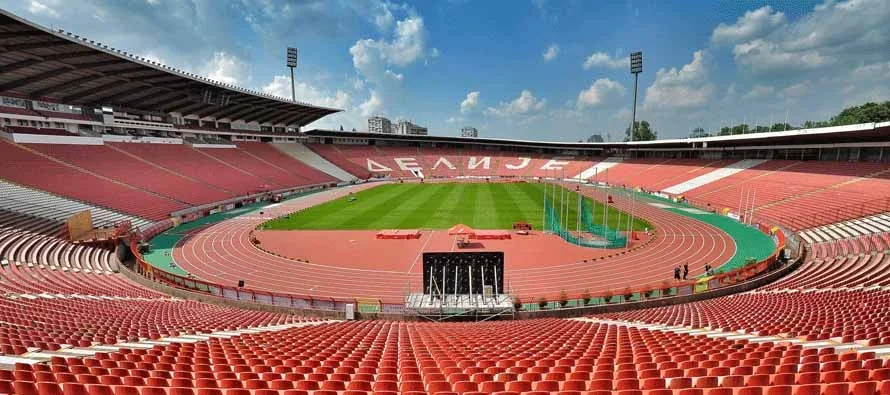
6. Rajko Mitić Stadium (Red Star Belgrade)
This is a different kind of loud. More intense. More old-world.
Red Star matches can feel like history with a soundtrack. The choreography and chanting build a sense of occasion that goes beyond the 90 minutes.
And if you catch a major European night or a derby? That’s when people leave with stories they keep repeating for years.
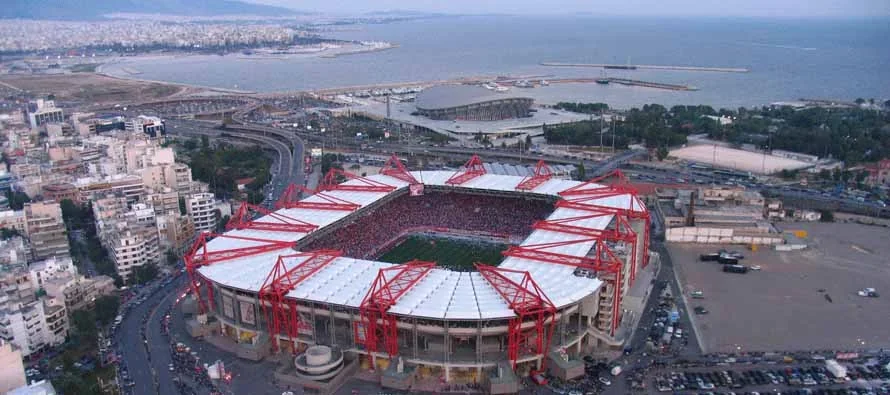
7. Karaiskakis Stadium (Olympiacos)
Greek football crowds don’t do mild.
Karaiskakis is tight, close to the pitch, and built for pressure. The noise here has a sharpness to it. It lands quickly, and it stays.
If you’re an away side hoping for a quiet spell to settle into the game, good luck.
8. Toumba Stadium (PAOK)
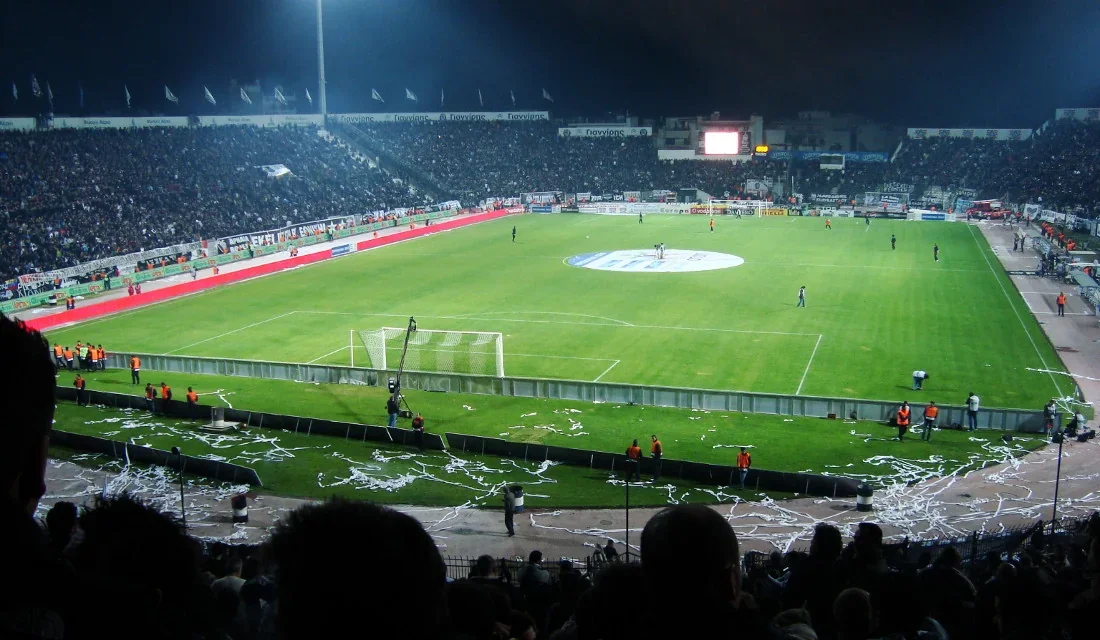
Honestly, Toumba is a classic “small-but-violent” atmosphere—violent in volume and intensity, not in actual danger.
It’s compact. It’s loud early. And it tends to feel personal. Not in a bad way, just in that “we know you’re here and we do not care about your comfort” way.
There’s a reason Toumba gets mentioned so often by traveling fans.
9. San Siro (Inter / Milan)
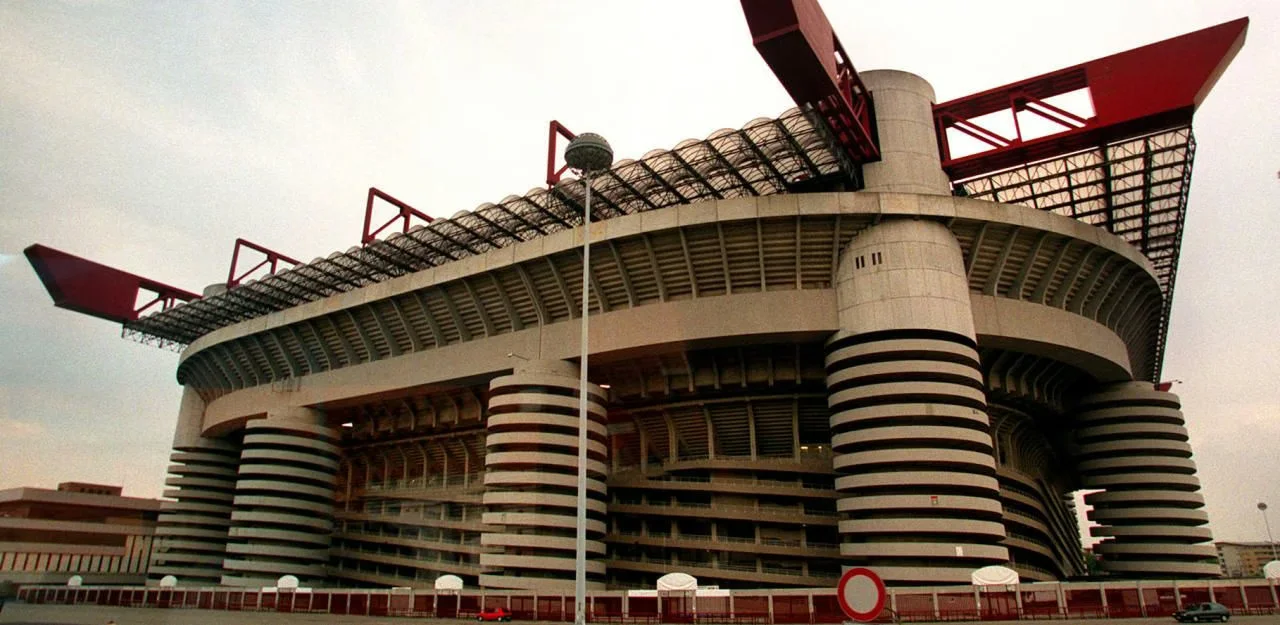
San Siro is huge, and that can cut both ways.
On a bland night, you might not feel the same constant noise you get in tighter grounds. But on derby day, or a big European tie, it turns into a cathedral of chaos.
The Curvas can orchestrate the atmosphere like a showrunner with a strict script.
10. Diego Armando Maradona Stadium (Napoli)
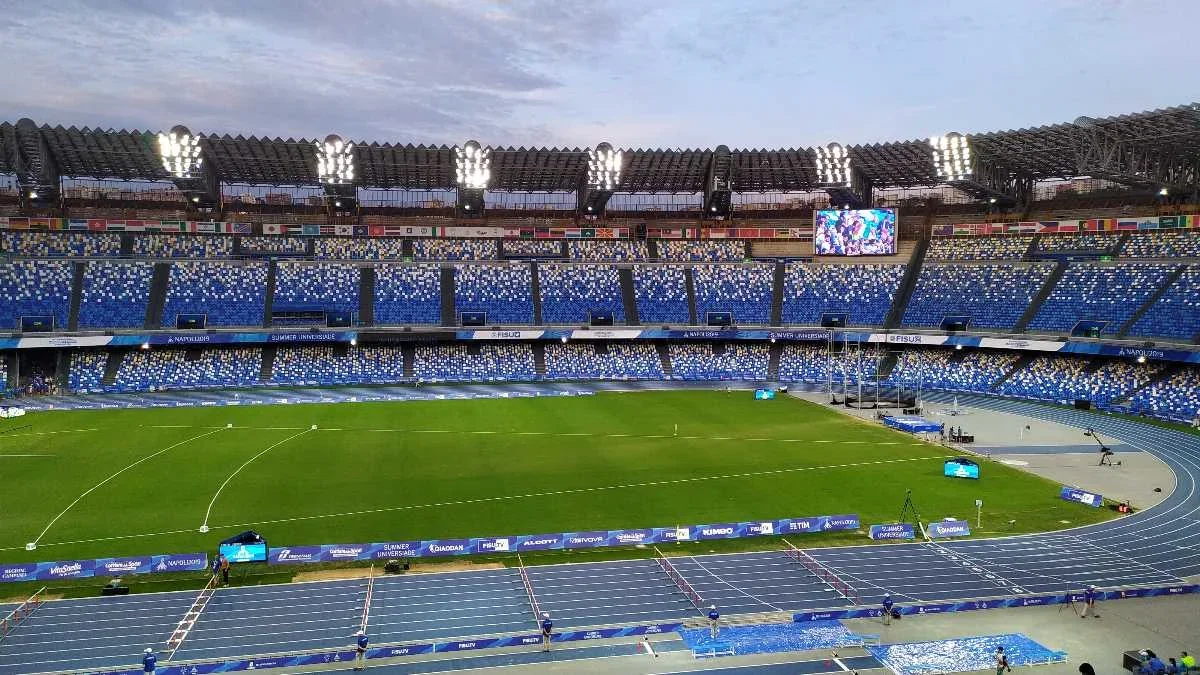
Napoli’s crowd has emotion baked into it.
This is not always a uniform wall of chanting. It’s more like waves of joy, fury, pride, and sometimes a bit of existential drama—because that’s football in Naples.
When Napoli are chasing something big, the stadium feels like the whole city has showed up to make a point.
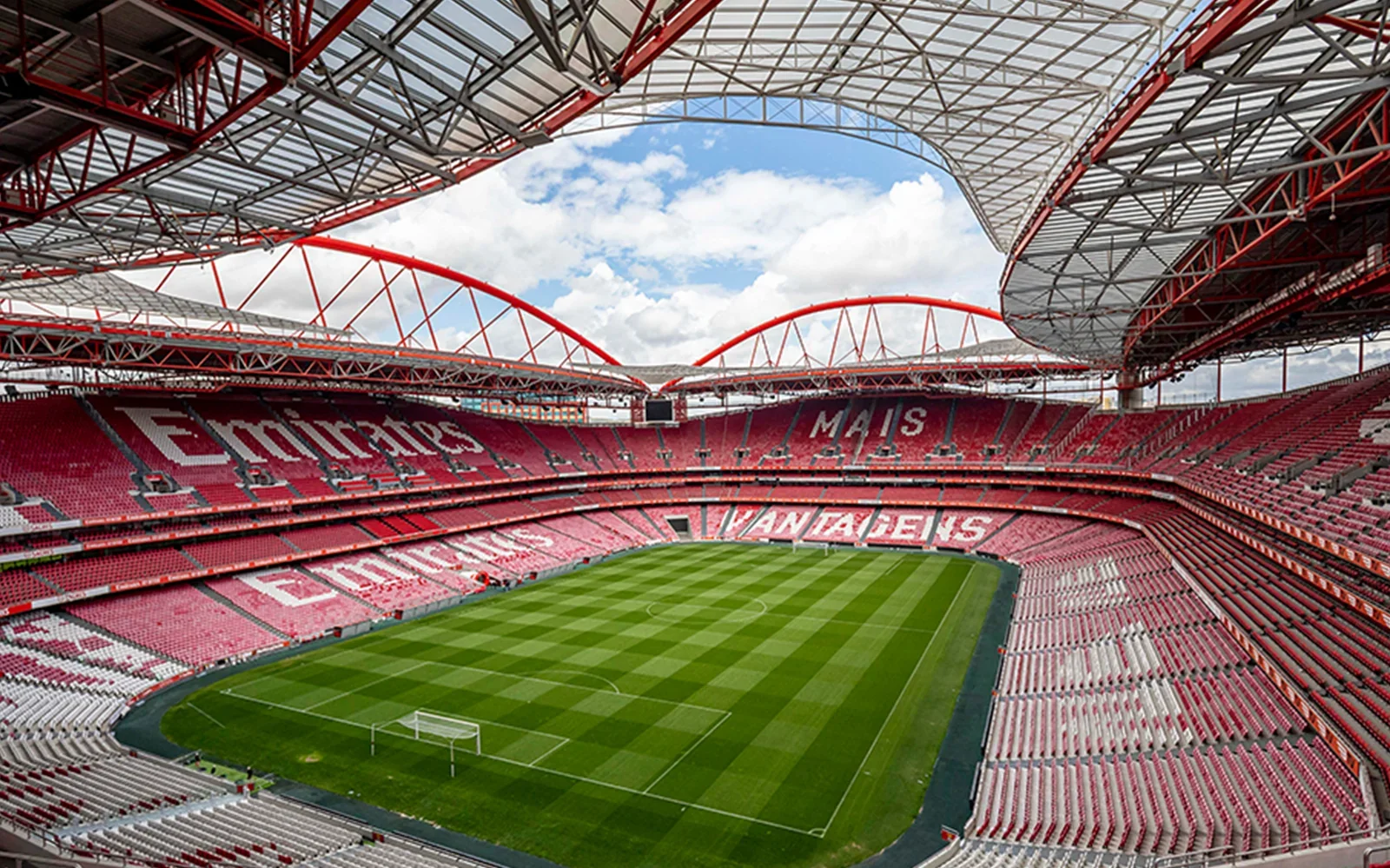
11. Estádio da Luz (Benfica)
Benfica’s home doesn’t always get the global hype it deserves.
The Luz can hit serious volume, especially in European fixtures. The crowd is large, loyal, and capable of turning pressure into performance.
It’s a good example of how scale and culture can work together rather than cancel each other out.
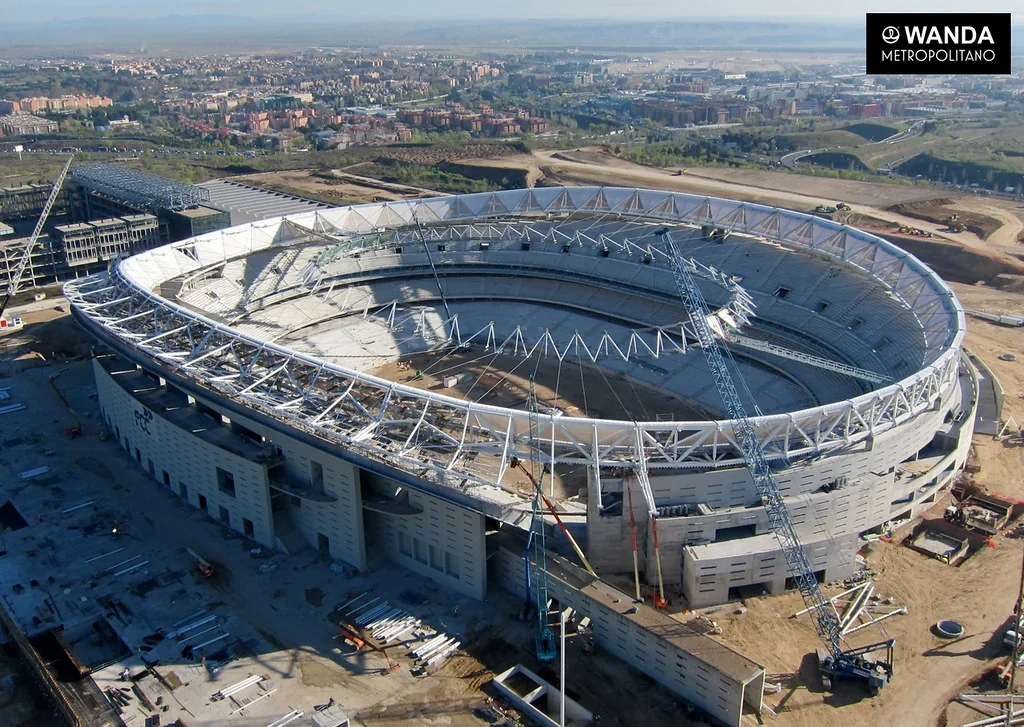
12. Wanda Metropolitano (Atlético Madrid)
New stadium, old attitude.
Atlético’s fan culture is built on defiance. The Metropolitano channels that well. The noise has rhythm and purpose. It’s not just loud for show. It’s loud to squeeze the opponent’s decision-making time.
And the crowd buys into the team’s identity fully. That alignment—there’s that work word—matters more than people admit.
“But what about…?” fair question
You might be surprised not to see a few giants.
- Bernabéu can be thunderous, but often in short, sharp spikes.
- Allianz Arena is strong, though the “loudest in Europe” debate usually leans toward more ultra-driven setups.
- Camp Nou (in its different eras) has had iconic nights, but consistency is the sticking point.
This isn’t me saying those crowds are weak. It’s more like comparing different business models. Some places are built for sustained intensity. Others are built for high-impact moments.
Both can be great. They just feel different.
How to catch the real version of these atmospheres
If you want the best chance of seeing these stadiums at full volume, a little planning helps.
- Pick the right fixture. Derbies, title races, big European nights. The obvious stuff is obvious for a reason.
- Arrive early. The pre-match build-up is half the story.
- Sit smart. Want full immersion? Get closer to the home singing sections. Want comfort and a calmer view? Look for side stands.
- Read the room. Some crowds love curious neutrals. Some expect you to stay low-key. It’s basic social awareness, just with scarves.
A small detour that’s worth it
There’s a quiet anxiety in modern football about atmosphere. Tickets are pricey. Some new stadiums feel overly polished. And social media can make a loud night look like a content shoot.
But here’s the counterpoint.
The best atmospheres still feel like the opposite of corporate. They feel messy. Human. A bit irrational. Which is exactly why they matter.
It’s also why smaller or mid-sized grounds can sometimes outperform bigger ones on a “noise per seat” basis. You see it in Greece, Serbia, Turkey, and parts of France and Scotland. Passion density is a real thing, even if it’s not a spreadsheet metric.
Why is this more than just a fun list?
A loud stadium can change outcomes. That’s not romantic fluff. It’s a match variable.
Players talk about it all the time. Decision speed drops. Communication gets harder. Momentum shifts earlier. The home team takes risks they might not take elsewhere.
It’s like working in an office where everyone suddenly backs your idea in real time. You move faster because you feel supported. Now make that 50,000 people and add a derby.
That’s the mechanism.
Quick recap before you screenshot this for your group chat
- This is fan-rated, not a decibel competition.
- The loudest atmospheres tend to mix architecture, ultra culture, rivalry, and club identity.
- Dortmund, Celtic, Liverpool, Marseille, Galatasaray, and several Balkan and Greek grounds are repeat picks in fan discussions.
- Big clubs with massive global profiles can still be elite atmospheres, but consistency and style differ.
- If you want the full experience, pick high-stakes fixtures and get there early.
Final Whistle
The best stadium noise isn’t just about being loud. It’s about being meaningful.
You hear a chant and you can tell what it’s tied to—history, local pride, a rivalry that’s older than most players on the pitch. And you realize the crowd isn’t background sound.
It’s part of the show. Part of the pressure. Part of the story.
And that’s why people keep arguing about this list. They’re not really arguing about decibels. They’re arguing about identity.
Which, honestly, is a very football thing to do.